
Prebiotics and Probiotics: Should You Be Taking Them?
Nutrition

Walk through the supplement aisle of any pharmacy, and you’ll find shelves packed with products containing probiotics or prebiotics that perhaps make some bold health claims. Many of these products may promise to improve gut health, boost immunity, aid digestion, enhance mood, and prevent or treat various health conditions. But what exactly are they? Do they really work? And should you be taking them?
The answer isn’t as simple as the marketing claims might suggest. Research in recent years has revealed some surprising and eye-opening links between the bacteria that live in our digestive system (our “gut microbiome”) and our health. And we know that prebiotics and probiotics actively support and balance the gut microbiome. However, the benefits of prebiotics and probiotics depend heavily upon the bacterial strains used, the quality of the product, the specific condition being targeted, and the individual being treated. In this article, we’ll look at what’s up with prebiotics and probiotics.
Understanding the “Gut Microbiome”
Your digestive tract is home to trillions of microorganisms, including bacteria, viruses, fungi, and other microbes. Collectively, these organisms are known as the gut microbiome. These aren’t harmful microbes; in fact, having the correct types and balance of these organisms plays an essential role in your health. They help digest and absorb food, produce vitamins, regulate the immune system, protect against harmful pathogens, and communicate with body organs—including the brain.
Scientists have discovered that disruptions in the gut microbiome (called “dysbiosis”) may be associated with a number of mental and physical health problems, such as diarrhea, inflammatory bowel disease, obesity, diabetes, allergies, and depression. This growing understanding of the importance of a healthy gut microbiome balance has fueled interest in finding ways we can improve the balance of beneficial gut bacteria.
What Are Probiotics?
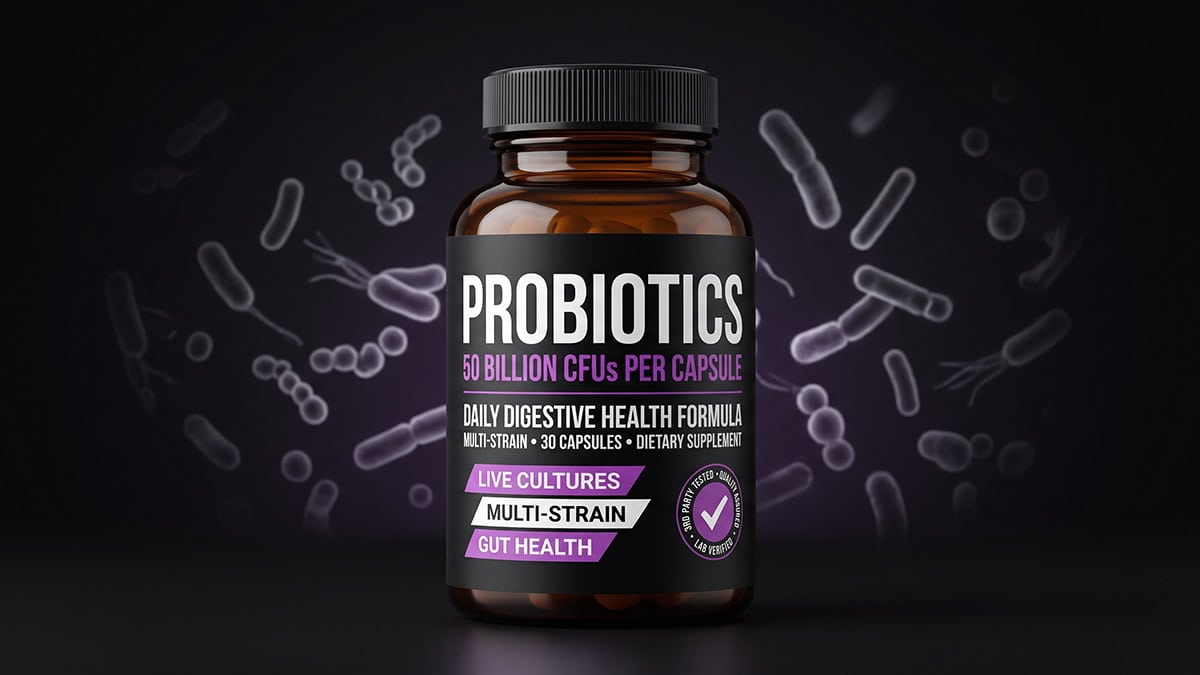
The International Scientific Association for Probiotics and Prebiotics (ISAPP) defines probiotics as “live microorganisms that, when administered in adequate amounts, confer a health benefit on the host.” Probiotics consist mainly of bacteria, but also sometimes yeasts (fungi). They’re found in some types of fermented foods, foods with probiotic additives, and in dietary supplements.
Not all probiotics you can buy have health benefits. They must contain live organisms, which isn’t always the case in foods and supplements labeled as probiotic, and they must contain the correct types of organisms in amounts that allow you to achieve the desired health benefits.
Fermented foods that contain probiotics include the following:
- Yogurt with live cultures
- Kefir
- Sauerkraut
- Kimchi
- Miso
- Certain aged cheeses and cottage cheese
However, not all fermented foods contain probiotics. The bacteria may be killed during processing (such as during pasteurization, filtering, or heating). To ensure you get the probiotics that you seek, look for raw, unpasteurized fermented foods or those labeled with “live and active cultures.”
Probiotics are also available in probiotic fortified foods and as dietary supplements in capsules, powders, chewables, and beverages.
Common probiotic organisms include:
- Lactobacillus species (especially L. acidophilus)
- Bifidobacterium species
- Saccharomyces boulardii (a yeast)
What Are Prebiotics?
While probiotics are the beneficial organisms themselves, prebiotics are the foods that nourish them. Prebiotics are non-digestible plant fibers and compounds that pass through the upper digestive tract mostly intact and are then fermented by the gut microbiome in the colon.
Common prebiotics include:
- Inulin
- Fructooligosaccharides (FOS)
- Galactooligosaccharides (GOS)
- Resistant starches
Foods rich in prebiotics include:
- Garlic
- Onions
- Leeks
- Asparagus
- Bananas (especially still slightly green)
- Oats
- Barley
- Chicory root
- Beans and legumes
What Are Synbiotics?
Food products or supplements that combine probiotics and prebiotics are known as synbiotics. They introduce beneficial bacteria to the digestive system while also providing nutrients that help those bacteria thrive. Researchers are not yet certain whether taking synbiotics is better than taking probiotics and prebiotics separately.
Potential Benefits of Probiotics
As researchers learn more about the widespread effects of the gut microbiome on health and well-being, it is becoming increasingly apparent that keeping the types and balance of these microbes can have many benefits. However, because the gut microbiome is highly individualized, the effectiveness of probiotics and prebiotics varies between individuals and depends on the type of supplement, as well as the desired benefit.

Abdominal Pain, Diarrhea
Abdominal pain, cramping, diarrhea, and other symptoms caused by various conditions may be at least partly relieved by probiotics.
One of the strongest areas of evidence for probiotics involves preventing diarrhea caused by antibiotics. Many types of antibiotics may disrupt the normal balance of gut bacteria, reducing the amount of beneficial bacteria and allowing harmful organisms to flourish. Studies have found that specific probiotic strains can reduce the risk of antibiotic-associated diarrhea by as much as 50%. As well, some probiotics may shorten the duration of acute infectious diarrhea by 24 to 30 hours and reduce stool frequency, particularly in children.
Irritable bowel syndrome (IBS) can cause abdominal pain, bloating, constipation, diarrhea, and irregular bowel movements. Research suggests that some probiotic strains may improve symptoms in certain patients.
Certain probiotic preparations may help maintain remission in ulcerative colitis, although evidence remains mixed. Their role in Crohn's disease is less clear.
Immune Health
About 70% of our immune system resides in the gut. Immune cells and our gut microbes constantly communicate with each other to maintain healthy immune activities. Growing evidence shows that probiotics can interact with immune cells and the gut microbiome to help regulate immune function. Thus, although the evidence is preliminary, probiotics might provide a way to improve immune system activities.
Some studies suggest that certain probiotic strains may:
- Reduce the frequency of upper respiratory infections
- Shorten the duration of common colds
- Improve immune responses
However, the effects tend to be modest, and probiotics should not be viewed as a substitute for vaccination, good nutrition, adequate sleep, and good medical care.
Brain/Mental Health
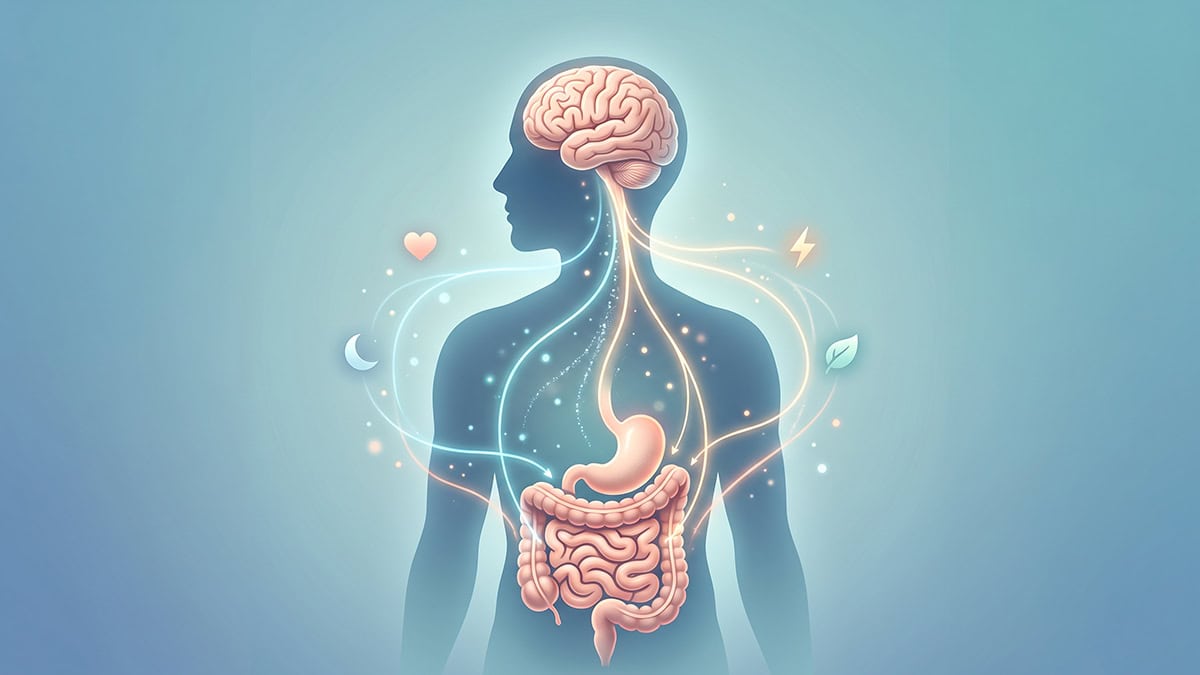
Newer research has revealed that the brain and gut are interconnected through complex pathways known as the gut–brain axis. Emerging evidence suggests that certain probiotics may improve cognitive function and other brain activities.
Nutrition
Healthy gut microbes and probiotic organisms help break down our food and manufacture nutrients, such as B vitamins.
Inflammatory Conditions
By helping to restore the gut microbe balance, probiotics appear to reduce harmful body-wide inflammation. Because of this, they have varying levels of success in helping to control some inflammatory disorders, such as Crohn’s disease, inflammatory arthritis, and psoriasis.
Vaginal Health
Some studies suggest that probiotics may help restore a healthy vaginal microbiome and reduce the recurrence of bacterial vaginosis and yeast infections. Supplements taken orally or inserted into the vagina may be an option for women who suffer from these conditions.
Potential Benefits of Prebiotics
Prebiotics enhance the benefits of probiotics by supporting their ability to survive and reproduce. However, prebiotics also offer several advantages beyond simply supporting gut bacteria. Most of these benefits derive from the fact that they are indigestible plant fibers.
Improved Digestive Health
Prebiotic fibers increase stool bulk and promote regular bowel movements. They may help alleviate mild constipation and support overall digestive function.
Production of Beneficial Compounds
When gut bacteria ferment prebiotics, they produce substances called short-chain fatty acids (SCFAs). These compounds are tied to many health benefits, including gut health, anti-inflammatory effects, metabolic health, and cancer prevention.
Blood Sugar and Metabolic Health
Studies strongly suggest that prebiotics may improve insulin sensitivity and contribute to better blood sugar control, improve cholesterol profiles, contribute to feeling full sooner, and promote a healthy weight. These benefits are largely from their role in producing SCFAs.
Mineral Absorption
Certain prebiotics appear to enhance the absorption of minerals such as calcium and magnesium, potentially supporting bone health.
What About Mental Health?
The gut–brain axis, that connection between the gut and brain, has become an exciting area of research. Mental health struggles are an increasingly common public health issue, and interest in therapies to help people thrive and cope in a difficult world has skyrocketed. Early research has found that certain probiotics appear to influence mental health, and researchers have even coined the term “psychobiotics” to describe these supplements.
Gut microbes can influence the production of neurotransmitters in the brain (chemical messengers that are crucial for good mental well-being), regulate stress hormone production, and reduce the brain inflammation associated with some mental health disorders.
Early studies suggest that certain probiotics may modestly improve symptoms of anxiety, stress, and depression. However, this field remains in its infancy, and more research is needed before probiotics can be routinely recommended for managing mental health conditions.
Are Probiotics Helpful for Weight Loss?
Current evidence doesn’t support probiotics as a stand-alone weight-loss tool. However, probiotics do appear to play a modest role in regulating appetite, improving glycemic (blood-sugar) control, and reducing inflammation, all of which contribute to healthy weight management. Sustainable weight loss still depends primarily on nutrition, physical activity, sleep quality, and overall lifestyle habits.

Are There Risks?
For most healthy individuals, probiotics are considered safe. However, potential side effects include:
- Gassiness and bloating
- Mild abdominal discomfort
- Changes in bowel habits (especially constipation with yeast-containing probiotics)
- Headaches (especially in fermented foods)
- Allergy symptoms (from histamine-producing probiotic strains)
- Blood infections (rare, but may be a factor for people with an impaired immune system, who’re in hospital for a prolonged period, or who’ve just had surgery)
- Reaction to ingredients (for example, people with egg allergies may react if the supplement contains egg allergens)
- Infant safety (probiotics have been linked to severe infections in premature infants)
These symptoms are usually temporary, resolving after a few weeks. You can lower the risk of side effects by discussing your intentions to supplement with your physician, learning as much as you can about your probiotic choice, and starting at a low dose and slowly increasing to the target dosage over a few weeks.
Prebiotic supplements can also cause bloating, gas, and abdominal discomfort, particularly when introduced too quickly or consumed in large amounts.
Because the Food and Drug Administration (FDA) in the USA classifies most probiotic and prebiotic supplements as food or natural health products, manufacturing standards and claims about how the product affects the body are loosely regulated compared to drugs, and they do not require pre-market FDA approval for safety and efficacy.
Should You Take a Probiotic Supplement?
For many healthy people, the answer is that routine supplementation is probably unnecessary. A healthy diet rich in plant foods naturally supports a diverse microbiome. Consuming fermented foods may also provide beneficial microbes without requiring supplements. However, probiotics may be worth considering in specific situations, including:
- During or after antibiotic treatment
- Certain cases of IBS and other digestive disorders
- Chronic constipation
- Some cases of ulcerative colitis
- Autoimmune disorders
- Metabolic disorders (such as type 2 diabetes, dyslipidemia, or obesity)
- Certain mental health disorders

If you’re thinking of taking probiotics or prebiotics, consider the following suggestions:
- Focus first on getting prebiotics naturally through a healthy, plant-rich diet
- Consider fermented foods as a natural source of probiotics
- Choose products backed by clinical evidence
- Understand that benefits are strain-specific
- Discuss supplementation with your physician, especially if you have chronic medical conditions or are immunocompromised
- Discuss the choice of strain and supplementation in general with your physician if you’re seeking to use them for a specific health condition
Take-Home Message
Recent research into the gut microbiome has transformed our understanding of how it affects human health. Although the research is in the early stages, probiotics and prebiotics offer exciting possibilities, and evidence already supports their use for certain digestive conditions and specific clinical situations. However, these are not miracle cures. For most healthy individuals, the greatest benefits likely come from eating a diverse, fiber-rich diet that naturally nourishes the trillions of beneficial microbes already living in the gut. Rather than searching for a single supplement to optimize health, think of prebiotics and probiotics as tools that may complement—not replace—the foundations of good nutrition, regular exercise, adequate sleep, stress management, and preventive medical care.
References
National Institutes of Health website
The International Scientific Association for Probiotics and Prebiotics website
National Review of Gastroenterology and Hepatology medical journal
Frontiers in Medicine medical journal
Journal of Food Science and Technology
Current Opinion in Gastroenterology medical journal
Cells medical journal
MedComm medical journal
Nutrients medical journal
American Journal of Clinical Nutrition
Annals of General Psychiatry
Microorganisms medical journal


