
What Exactly Is “Immunotherapy” for Treating Cancer?
Physical Health
The search for new and better treatments for cancer is among the most robust areas of research in medical science. Often, new medications are merely variations of an existing type of drug that offers a slightly different option. However, from time to time, scientists discover a “novel” treatment, one that takes a whole new approach to defeating cancer cells. In such cases, the newly discovered treatment type may offer new hope and better outcomes for cancer patients. Such is the case with a whole new type of cancer therapy known as “immunotherapy.” In this article, we’ll review what cancer is and what options there are to treat it, and we’ll focus especially on the exciting new cancer treatment options offered by immunotherapy.
Figure 1. A researcher at the Chicago Immunoengineering Innovation Center working on developing new immunotherapies.

What Is Cancer?
Cancer is the uncontrolled growth of abnormal cells in an organ, invading and disrupting the organ’s normal ability to function. These abnormal cells can grow enough to prevent the organ from performing its vital functions, and they can spread to other organs to cause further damage and disruption.
For example, when lung cancer occurs, abnormal cells arise among the healthy lung cells. These abnormal cells don’t look or act like proper lung cancer cells, but they begin dividing uncontrollably fast and keep multiplying rather than maturing or dying. The result is a large collection of cells—known as a tumor—that crowds out normal lung cells so that they cannot do their job properly, and it invades local structures (such as the bronchioles that bring air to the lungs) so that those structures are also blocked from doing their job.
Figure 2. In lung cancer, the tumor grows and crowds out the normal lung tissue, causing difficulty breathing and other symptoms.
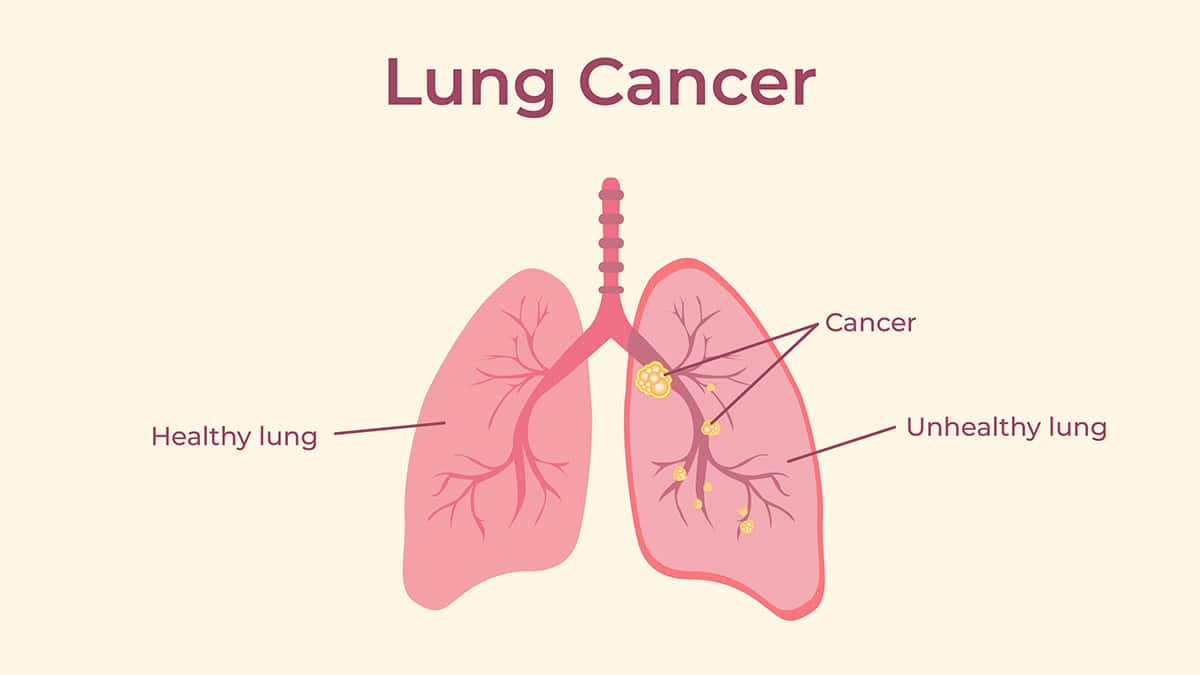
As a result, the person with lung cancer may start having breathing problems. They may find it difficult to get enough air, so they get short of breath and tired easily. They may develop a cough as their lungs and airways become irritated by the tumor, and they may cough up blood as the tumor cells cut into their normal lung tissue.
The lung cancer cells may then spread to other body organs, such as the brain. The spread outside the lungs is known as “metastasis.” When lung cancer metastasizes to the brain, the person may begin having headaches, memory or thinking problems, and seizures.
Lung cancer is only one example of cancer. There are over 100 types of cancer that can affect just about any body system. Most organs have different types of cancer that can affect them as well. For example, there are different types and subtypes of lung cancer.
What Causes Cancer?
Cancers are caused by genetic mutations that affect the DNA that controls cell growth and maturation. The DNA in these cases is known as “oncogenes,” because mutations in these genes (DNA sequences) can cause cancer (the word “onco” comes from the Greek word for tumor).
Figure 3. Abnormal genetic changes (mutations) cause cancer cells to arise, which then rapidly divide and multiply, forming a tumor.
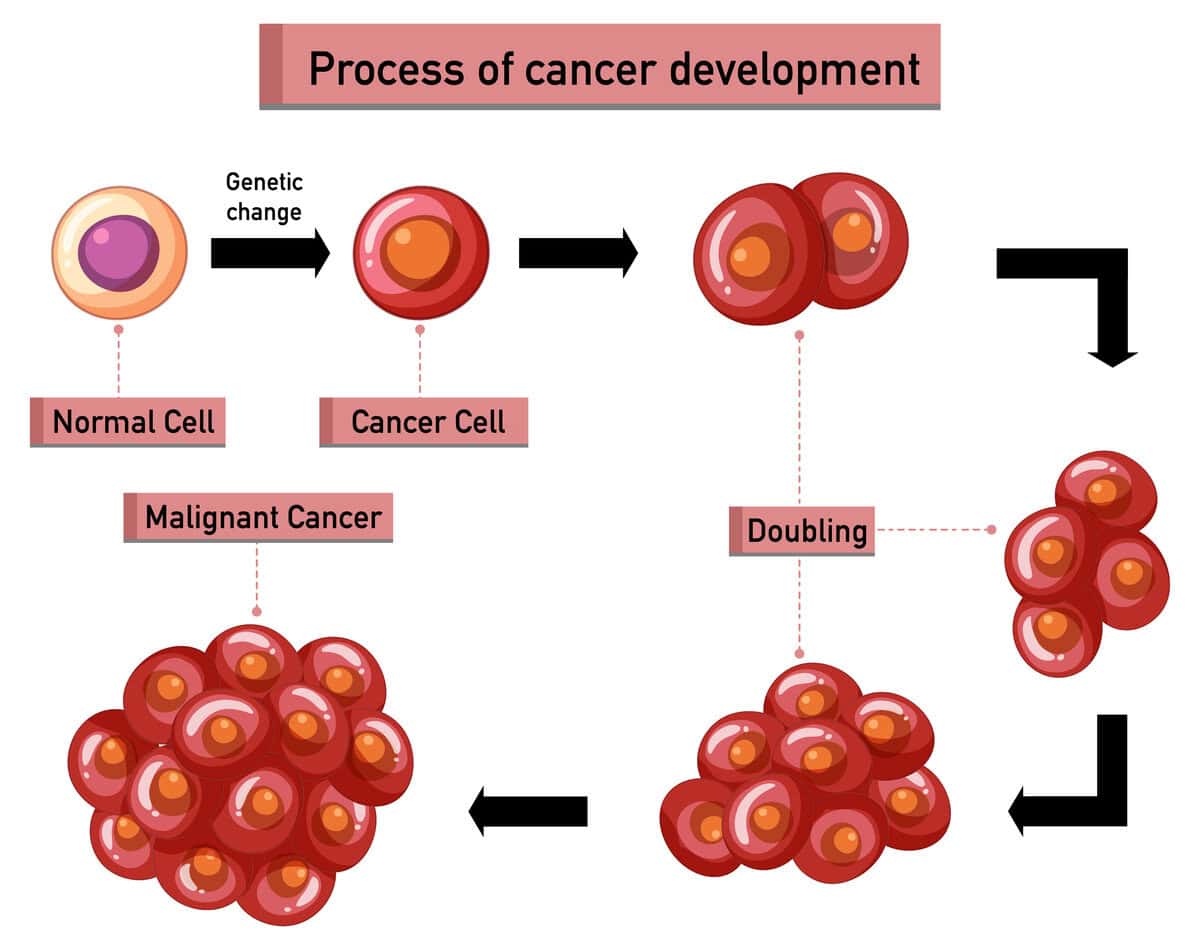
The mutations that cause cancer can occur in several ways. We can be born with these mutations because they’ve been passed down from our parents, who also have the same gene mutations. This is why some cancers follow a hereditary pattern. We can also be born with oncogene mutations that we did not inherit from a parent—sometimes these mutations occur by accident during reproduction and fetal development.
Oncogene mutations can also occur from damage from “DNA mutagens” in our environment. There are many toxins in our environment—such as pollutants, ultraviolet (UV) radiation in sunlight, household products, or even food additives—that can damage and mutate our DNA. If they damage an oncogene, cancer may result. For example, there is a highly aggressive type of lung cancer known as “small-cell lung carcinoma” that is almost exclusively caused by cigarette smoking.
How Is Cancer Treated?
The treatment of cancer is highly dependent upon the type of cancer, how far advanced it is, and the cancer’s characteristics (such as whether it has certain genetic or chemical features). Treatment decisions also depend on the person with the cancer. Their age, gender, general health, and ability or willingness to tolerate harsh treatments are all factors that may play into treatment decisions.
Treatment options for cancer generally include three options:
- Surgery
- Medications
- Radiation therapy
Figure 4. Radiation therapy may be used in treating some cancers. Radiation is directed at the tumor to destroy the cancer cells.
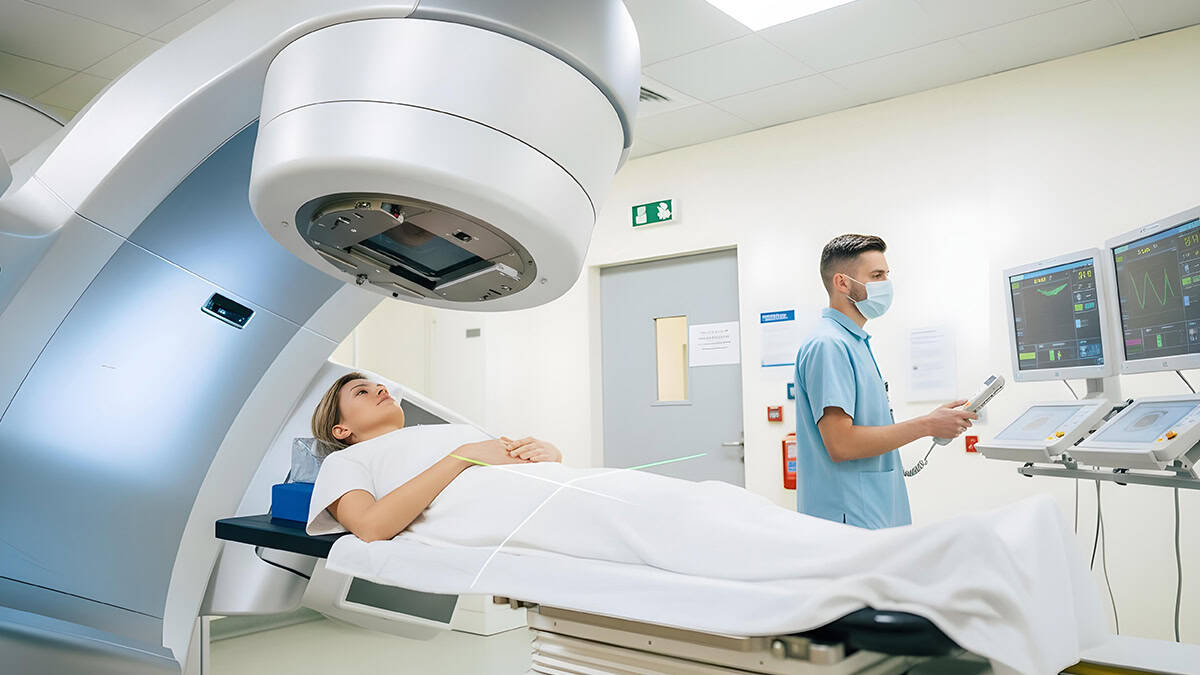
Depending upon the particular patient, one or a combination of all treatments may be used. For example, surgery may be performed to remove the tumor, and surgery may be followed by radiation therapy and/or chemotherapy in order to kill any cancer cells that may have been left behind after surgery. In such cases, the treatment that follows surgery is known as an “adjuvant” therapy. For example, chemotherapy combined with radiation therapy given after surgery is referred to as “adjuvant chemo-radiation.”
Medications used to treat cancer may include some or all of the following types:
- Chemotherapy: These are drugs that target and kill rapidly dividing cells, including cancer cells. Unfortunately, they’re indiscriminate and will also kill healthy, rapidly dividing cells in the body, thereby causing side effects. For example, they kill rapidly dividing cells in hair follicles, causing hair loss. The same can happen with the cells that line the mouth and digestive system, causing sores in the mouth, nausea, vomiting, and diarrhea.
- Targeted therapy drugs: These are agents that target specific oncogenes or the proteins they make. Targeted therapies are tumor-specific, so they’re less toxic to the rest of the body and less likely to cause side effects. Targeted therapies are a hot area of research, and new agents are being developed at a rapid pace. Unfortunately, only certain types of cancer may be amenable to treatment with targeted therapy drugs; they can only be used against tumors with specific oncogene mutations.
- Hormone therapies: These are drugs that block hormone receptors on cancer cells that rely on hormones for growth. These are mostly used in cancers of the breast, prostate, and reproductive system.
- Supportive therapies: These are drugs that treat side effects or help reduce the swelling and inflammation that occurs around tumors.
- Immunotherapy: These are agents that help our own immune system recognize and fight cancer cells. We’ll discuss these in the next section.
Immunotherapy for Treating Cancer
Immunotherapy is a relatively new way of treating cancer, as it first came to light in 2011. During the short time that we’ve known about immunotherapy, it has generated considerable hope and excitement because many immunotherapy agents have already demonstrated the ability to significantly improve overall cancer survival. Some agents have also shown effectiveness in slowing tumor progression and improving patient quality of life compared to existing therapies.
Immunotherapy agents work by improving our own immune system’s ability to fight cancer. Under normal circumstances, our immune system is constantly policing our body, looking for any abnormal cells that might go on to make a cancerous tumor. As soon as they recognize a potential cancer cell, they attack and destroy it and remove it from the body.
Figure 5. The immune system attacking a cancer cell.
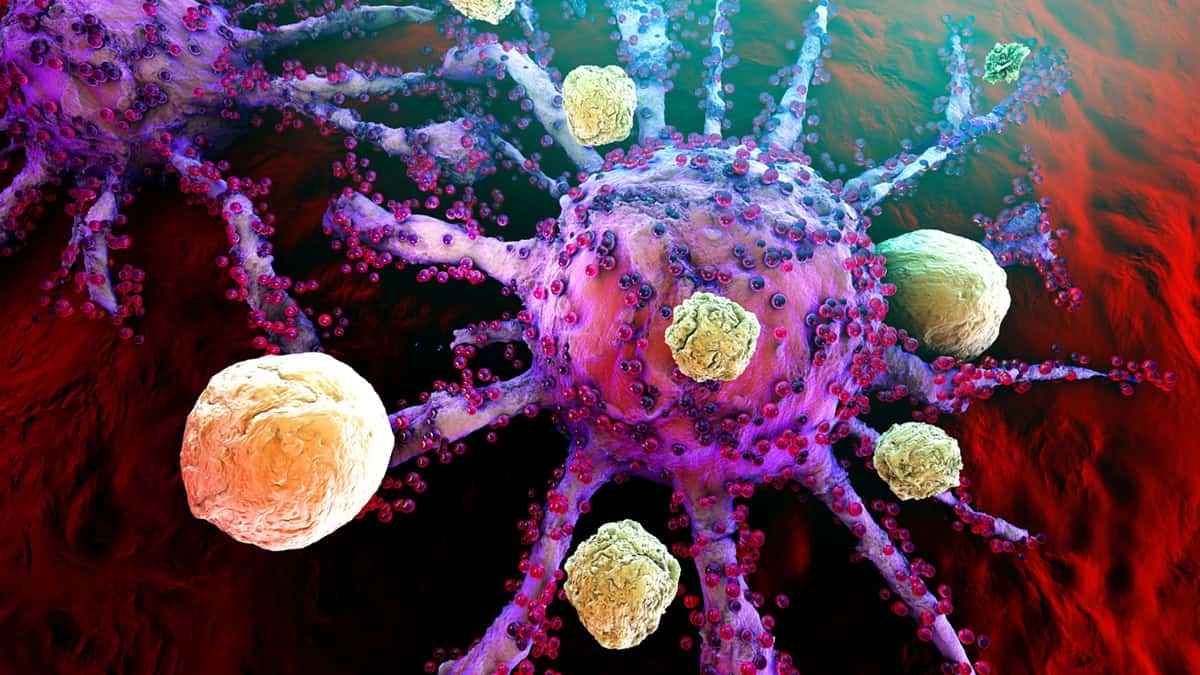
However, some cancer cells have “learned” how to hide from the immune system by disguising themselves as normal cells and switching off the immune system’s anti-cancer functions. Immunotherapy agents negate the tumor cells’ defences against the immune system and boost the immune system’s ability to identify and destroy abnormal cancer cells.
Types of Immunotherapy for Cancer
There are a number of different types of cancer immunotherapies. Some are currently in use, and others are still in developmental stages. They’re all very clever and hold great promise for the future of cancer treatment, and scientists are always searching for new and innovative immunotherapies. Let’s look at the various types of immunotherapy.
Immune “Checkpoint Inhibitors”
“Checkpoints” are proteins that some types of cancer cells have learned to make to disguise themselves as normal, healthy cells, thereby avoiding destruction by the immune system. Immune checkpoint inhibitors are drugs that block the cancer cells’ ability to disguise themselves.
Adoptive Cell Transfer
This type of immunotherapy also goes by the complicated name “chimeric antigen receptor (CAR) T-cell therapy.” In this type of immunotherapy, doctors remove some immune cells (T cells) from the cancer patient’s body, then supercharge them so that they are much more effective tumor cell killers, and then re-infuse them into the patient’s body.
Cancer Vaccines
These are used to initiate a pre-prepared immune response to cancer cells at the very beginning of tumor development. An example is the human papillomavirus (HPV) vaccine, which is recommended for young people so that if a cancer caused by HPV (such as cervical cancer) begins to arise, the immune system is already primed and ready to fight it.
Figure 6. Researchers at the Mayo Clinic in Jacksonville, Florida, are actively working on a breast cancer vaccine, another exciting new dimension of cancer immunotherapy.

Oncolytic Viruses
These are viruses that are modified to infect and kill tumor cells. The virus is introduced into the patient’s body, where it seeks out and destroys cancer cells.
Monoclonal Antibodies
Antibodies are proteins that the immune system makes to mark foreign invaders—such as viruses and bacteria—for destruction by immune cells. The antibodies also interfere with the foreign invaders’ ability to do harm to the body while they await destruction by the immune system. Monoclonal antibodies are a type of immunotherapy where antibodies specific to the tumor cells are made in the lab and then introduced into the cancer patient’s body.
Immune Modulators
Lab-made versions of natural immune system boosters (e.g., cytokines) are introduced into the patient’s body to stimulate increased immune activity.
What Are the Side Effects of Immunotherapy for Cancer?
Immunotherapy agents tend to be much less side-effect-prone than chemotherapy, largely because they target cancer cells specifically—so they’re generally not toxic to healthy body cells. However, because they activate the immune system, they can cause inflammation and “autoimmune” symptoms, such as:
- Fever, chills
- Fatigue, weakness, lightheadedness
- Nausea, vomiting
- Joint or muscle aches
- Headache
- Jaundice
- Sore, red eyes
- Diarrhea
- Allergic reactions (including severe allergic reactions)
Who Can Be Treated With Immunotherapy?
Who can be treated with immunotherapy and with what agents depends heavily on the cancer type and the characteristics of the cancer. In some cases, the cancer cells must have specific chemical characteristics (“biomarkers”) to be amenable to immunotherapy. In other words, treatment is patient-specific. In the United States (US), cancer treatment is guided by specific guidelines provided by the US National Comprehensive Cancer Network (NCCN). For a treatment to be approved, it must have passed rigorous clinical testing to demonstrate its safety and effectiveness.
Figure 7. The National Comprehensive Cancer Network provides guidelines for clinicians and extensive information resources for patients.
Image credit: The National Comprehensive Cancer Network
Currently, immunotherapy agents are often used for advanced or metastatic cancers, sometimes only after other therapies have been tried. This is largely because these are newer therapies and we don’t yet have a lot of clinical data to support them. However, in some cases, immunotherapy is already being used as a first-line treatment, sometimes in combination with chemotherapy or radiation. It’s important to note, however, that not all cancer patients respond to immunotherapy.
In some cases, cancer patients may be offered an opportunity to enroll in a clinical trial where an immunotherapy agent is used in addition to the standard therapy for their cancer.
Bottom Line
Immunotherapy is a whole new line of treatment agents and techniques that we can add to our list of options for treating cancer. They’ve only been in use since 2011, so we’re still in need of data to guide exactly how and when we use these cancer treatments. Nevertheless, immunotherapies are already producing very encouraging results and show great promise for the future of cancer treatment. Immunotherapy is an area of robust clinical research, and we’re likely to see some major advances in the near future.


