
Dexamethasone for Dogs & Cats: What to Know & Where to Buy
pet medications

Have you taken your pet in for allergic reactions and listened as your veterinarian told you that your pet needed to start taking dexamethasone?
If so, you may have questions. (That’s normal and natural, as an invested pet owner.)
Here’s the quick information you need:
Dexamethasone is a powerful medication that’s commonly used in veterinary medicine, especially when fast-acting anti-inflammatory or immune-suppressing effects are needed.
While it can be highly effective, it also requires careful use and close veterinary guidance.
Today, let’s chat about dexamethasone for dogs – and, if your four-legged best friend happens to be a cat, keep reading, we’ll have information about cats, too.
We’ll explain what dexamethasone is, why it’s prescribed, how injections differ from oral forms, possible side effects, how to get it for less – and what pet owners should know before starting or continuing treatment.
First Things First: What Is Dexamethasone?
Dexamethasone is something called a “synthetic corticosteroid.”
(Here’s a pharmacology nomenclature fun fact: Whenever you see that -sone ending, you’re probably looking at a steroid of some kind.)
Synthetic corticosteroids are a class of medications that mimic the effects of cortisol, a hormone your body naturally makes.
Cortisol itself plays a role in regulating inflammation, immune responses, and stress in the body.
Dexamethasone is significantly more potent than many other steroids, which is why it’s used in situations where a strong and rapid response is needed. In veterinary medicine, dexamethasone may be prescribed to dogs (and cats!) to:
- Reduce severe inflammation
- Suppress an overactive immune response
- Treat allergic reactions
- Manage certain neurologic or autoimmune conditions
- Provide support in emergency or critical care settings
Because of its strength, dexamethasone is often used for short periods of time, or as part of a very carefully monitored treatment plan.
Dexamethasone Injection for Dogs: When to Opt for Injections Over Pills
There are oral (or pill-based) forms of dexamethasone that your doctor may recommend.
This is the version that humans may take, too, when humans exhibit allergic reactions. (Please remember that even when humans and dogs or cats take the same medication, swapping human dexamethasone for dog dexamethasone is never a good idea, as human and canine bodies process the drug very differently.)
There’s another version of dexamethasone worth knowing about: The dexamethasone injection for dogs.
Injectable dexamethasone is commonly used in veterinary clinics because it allows the medication to take effect quickly.
This can be especially important in emergency situations, such as severe allergic reactions or acute neurologic events.
Injections happen in clinics because veterinarians are typically the ones who need to administer them.
In some cases, injectable dexamethasone may be followed by an oral steroid regimen, depending on the underlying condition and how the dog responds.
Dexamethasone Dosage for Dogs (High-Level Considerations)
There are lots of people online wondering about things like “dexamethasone dosage for dogs.”
When people search for that, generally, it’s because they want to feel reassured that they’re giving their dogs the right amount of medication.
Here’s the thing:
There is no single standard dose for dexamethasone that applies to all dogs.
So, whatever you may see another pet owner on the internet say worked for their dog, that just doesn’t apply to yours – even if you have the same breed of dog, if the symptoms all line up, if your dog appears to have the same build and weight as another.
Veterinary dosing depends on several factors, including:
- The dog’s weight and size
- The condition being treated
- Whether dexamethasone is being used short term or as part of a longer plan
- The form of the medication (injectable vs oral)
In other words, the amount of dexamethasone your dog needs to take will be unique to your dog, and your dog’s vet will need to be the one figuring out what that amount of dexamethasone is.
Because dexamethasone is a very powerful steroid, even small changes in dose can make a meaningful difference in how a dog responds.
This is why veterinarians tailor dosing carefully and adjust it based on both clinical response and duration of treatment.
Pet owners should never attempt to calculate doses on their own or use human dexamethasone products without explicit veterinary direction.
What Are Dexamethasone Side Effects for Dogs?

Dexamethasone is a powerful medication.
Like all powerful medications, dexamethasone can cause unintended side effects when a human or dog takes it.
Many dexamethasone side effects for dogs are related to how steroids affect metabolism and fluid balance.
Commonly reported effects tend to include:
- Increased thirst and urination
- Increased appetite
- Panting or restlessness
- Temporary behavior changes
If a dog is dealing with these kinds of frustrating side effects, usually, the effects do go away after their veterinarian reduces the dog’s dose or if, under veterinary supervision, they stop taking the medication.
More serious side effects of dexamethasone for dogs usually only happen with long-term use.
These more serious (and far rarer) side effects may include:
- Suppression of the immune system
- Increased risk of gastrointestinal irritation or ulcers
- Muscle weakness or thinning
- Hormonal imbalances
Not every dog will experience side effects, but monitoring helps catch issues early.
Here’s Exactly Why Dexamethasone Is Usually Used Short Term
Dexamethasone’s strength is both a benefit and a (potential) drawback.
Because it’s more powerful than many other steroids, it’s typically only used for acute treatment, for a short amount of time, or when a dog’s situation demands something very powerful.
That’s why it’s often used as a rescue medication, in emergency situations, during acute disease flares, or, occasionally, as a short-term bridge to longer-term treatment strategies.
If your dog has a chronic condition, your veterinarian might use dexamethasone (for example) to control an immediate urgent issue, and then transition your dog to a different, less powerful (but still helpful) medication for longer use.
Important Safety Considerations for Dog Owners
Much like all powerful medications come with potential side effects, all powerful medications come with safety reminders.
Even if you’re very familiar with general medication safety precautions, take a moment to review these rules of the road for using dexamethasone safely:
- Never start or stop dexamethasone abruptly without veterinary guidance
- Do not combine dexamethasone with NSAIDs unless instructed by a veterinarian
- Inform your vet about all other medications and supplements your dog takes before your vet issues the prescription for dexamethasone!
Dexamethasone for Cats: What Pet Owners Should Know
Dexamethasone is a powerful, temporary medication for dogs – good to know.
What if you have a cat?
What then?
Dexamethasone is used in feline medicine as well, but it’s typically prescribed more cautiously because cats can be particularly sensitive to the effects of corticosteroids.
Veterinarians may prescribe dexamethasone for cats in situations such as:
- Severe inflammatory conditions
- Certain cancers or lymphoma-related symptoms
- Allergic or immune-mediated disorders
- Swelling or inflammation affecting the nervous system
As with dogs, vets tend to prescribe dexamethasone for cats when its strong and fast-acting effects are definitely needed.
However, cats may respond differently to dexamethasone than dogs do. When your vet prescribes this medication to your cat, they’ll take several factors into account to make sure your cat’s treatment plan is precisely what they need.
(Remember, this also means that if you have a dog and a cat and they both need dexamethasone, even if their dosages look similar, they’re not equivalent and not interchangeable.)
How Dexamethasone Affects Cats Differently Than Dogs
As a cat owner, you’re aware that cats are very different from dogs, of course.
That general difference extends to the way that cats metabolize their medications – and, therefore, the dose, duration, and monitoring associated with cat meds as opposed to dog meds.
Just a few of the differences to be aware of include the following.
- Cats may tolerate some steroids differently, but still face risks with long-term use
- Side effects may be subtler and harder to detect early
- Lower doses and shorter courses are often preferred
Potential side effects (of any meds) to watch out for in cats can include increased thirst, increased appetite, behavior changes, or effects on blood sugar with prolonged use.
Why Steroid Tapering and Monitoring Matter (...A Lot)
If you (or your cat, or your dog) is going to stop taking dexamethasone, you’re going to need to manage that transition very carefully.
Corticosteroids affect the body’s natural hormone production and stopping them suddenly can cause problems.
Perhaps your cat or dog is having dealbreaker side effects with dexamethasone; perhaps you’ve talked to your vet and determined that the medication just isn’t doing what you need it to do for your pet.
In either case, if you and your pet’s healthcare team have decided that it’s time to stop taking dexamethasone, your pet will likely need to undergo:
- Gradual dose reductions (tapering)
- Scheduled follow-up visits
- Monitoring for return of symptoms
Why do all this, instead of just stopping the medication quickly?
Tapering allows the body time to adjust and helps reduce the risk of withdrawal effects or symptom rebound.
It may seem to make sense to stop administering a medication that is causing your pet painful side effects, but stopping suddenly can actually make those side effects much worse.
Trust the process, and make sure you’re talking to your vet about proper tapering techniques as you help your pet get off dexamethasone!
Here’s When to Contact Your Veterinarian
If your pet – your cat or your dog – is on dexamethasone, you should be keeping an eye out for symptom reduction and potentially-concerning side effects.
But what should you do if you see those occur?
That would be a sign it’s time to reach out to your vet. It’s probably appropriate to give your vet a call if your pet is experiencing:
- Worsening symptoms despite treatment
- New or unusual side effects
- Signs of gastrointestinal distress, such as vomiting or black stools
- Difficulty administering the medication as prescribed
Accessing Dexamethasone (Reliably!) for Dogs & Cats
Dexamethasone is a prescription-only medication.
To access it, the very first thing you’ll need is a valid and updated prescription for your specific pet from a licensed healthcare professional.
This can feel frustrating but remember, given how powerful dexamethasone is and the necessity of follow-ups and monitoring, this is a good relationship to establish upfront anyway.
After you have that prescription, where next?
You may be able to purchase some meds through your vet’s office, but they won’t always have the most comprehensive inventory (or the lowest prices!).
You might have access to a brick-and-mortar pharmacy that offers pet meds, but those can be hard to get to. They may also have higher prices than, perhaps, you’d find elsewhere.
If this rings true for you, it may be time to think internationally.
Here, through NorthWestPharmacy.com, a CIPA-certified online Canada pharmacy and international drugs website, you can buy dexamethasone (for both humans and pets) for reliably low prices.
FAQs: What Pet Owners Often Ask About Dexamethasone
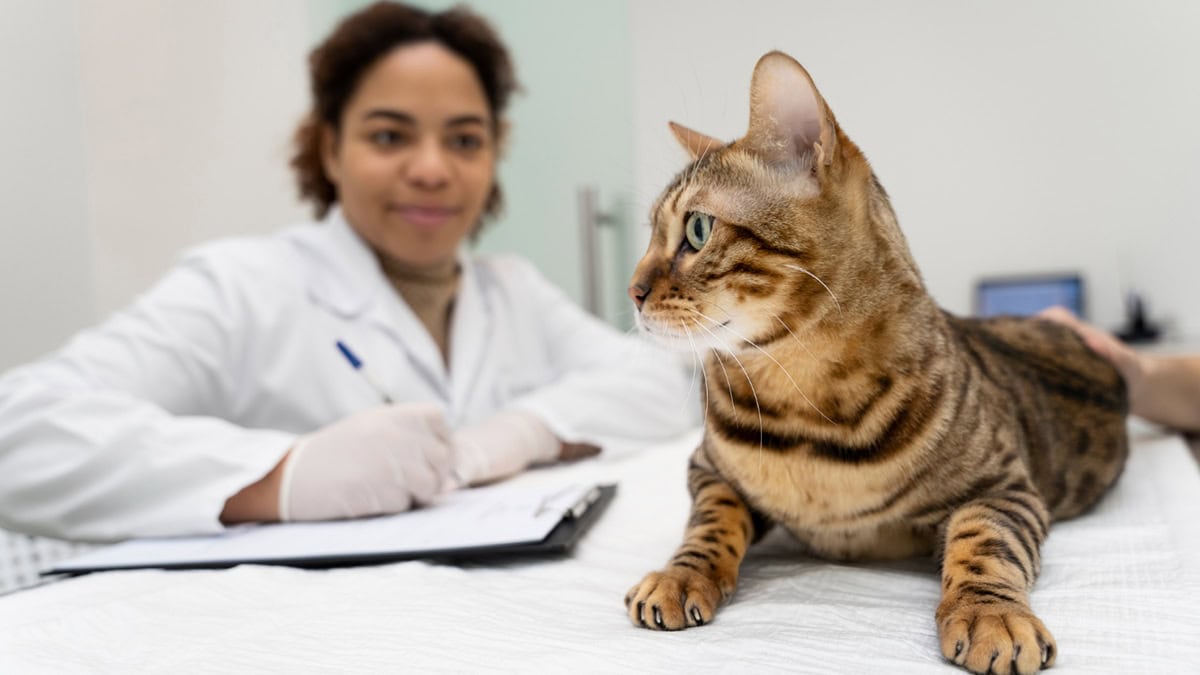
Just started your pet on dexamethasone? It’s common to have a few new questions bubble to the surface as you get into the flow of administering this medication.
Here are a few of the most frequently-asked questions we see.
“Why does my pet seem so thirsty or hungry?”
Increased thirst and appetite are common steroid effects and usually reflect how dexamethasone alters your pet’s fluid balance and metabolism.
These changes should be monitored and discussed with your veterinarian, especially if they get worse, instead of better.
“Is it safe to use dexamethasone more than once?”
It can be, depending on the condition and how often it’s needed.
Repeated courses or longer-term use require closer monitoring to balance benefits with potential risks.
“Why can’t I just stop the medication when my pet feels better?”
Even short courses of corticosteroids can affect the body’s hormone regulation.
Stopping abruptly can lead to rebound inflammation or other complications, which is why vets recommend tapering schedules instead of stopping cold turkey.
The Bottom Line on Dexamethasone for Dogs & Cats
Dexamethasone is a highly effective corticosteroid that plays an important role in veterinary medicine for both dogs and cats.
At the same time, its strength means it must be used thoughtfully, under veterinary supervision, and often for limited periods. When prescribed appropriately and monitored carefully, dexamethasone can significantly improve comfort and outcomes for pets facing serious conditions.
If you have concerns about your pet’s treatment, your veterinarian is always the best resource for guidance tailored to your pet’s specific needs.
And, once you and your veterinarian have determined your pet’s dosage, NorthWestPharmacy.com is your best resource for reliably low-cost, convenient-to-ship pet meds.
Our entire team is looking forward to supporting you and your pet through their journey to better health!


