
About HPV – What Is It, Why Is It so Prevalent, and How to Prevent and Treat It
Physical Health

Human papillomavirus (HPV) has become a widely recognized term largely because of how common it is and its link to certain cancers. Public health campaigns have sought to educate the public about HPV, how it is transmitted, and how to protect ourselves from it, especially since the introduction of effective vaccines for the most dangerous strains of the virus. Its connection to cervical cancer—and more recently to throat and other cancers—has kept HPV in the spotlight and has made HPV a familiar name to many people.
In many cases, HPV causes no symptoms and goes away on its own without causing harm. However, some types of HPV can lead to health problems such as genital warts or certain cancers. The good news is that safe practices, regular screening, and vaccination can significantly reduce the risks associated with HPV, making it both preventable and manageable. In this article, we’ll look at our current knowledge about HPV and how you can use that information to protect yourself and your family.
What Is HPV?
HPV is a group of viruses that includes more than 200 subtypes. It’s one of the most common viruses worldwide, and most of us will be exposed to HPV at some point in our lives. A large study of adults in the United States (US) estimates that 85% of women and 91% of men who’ve had at least one opposite-gender sexual partner will contract HPV during their lifetime.
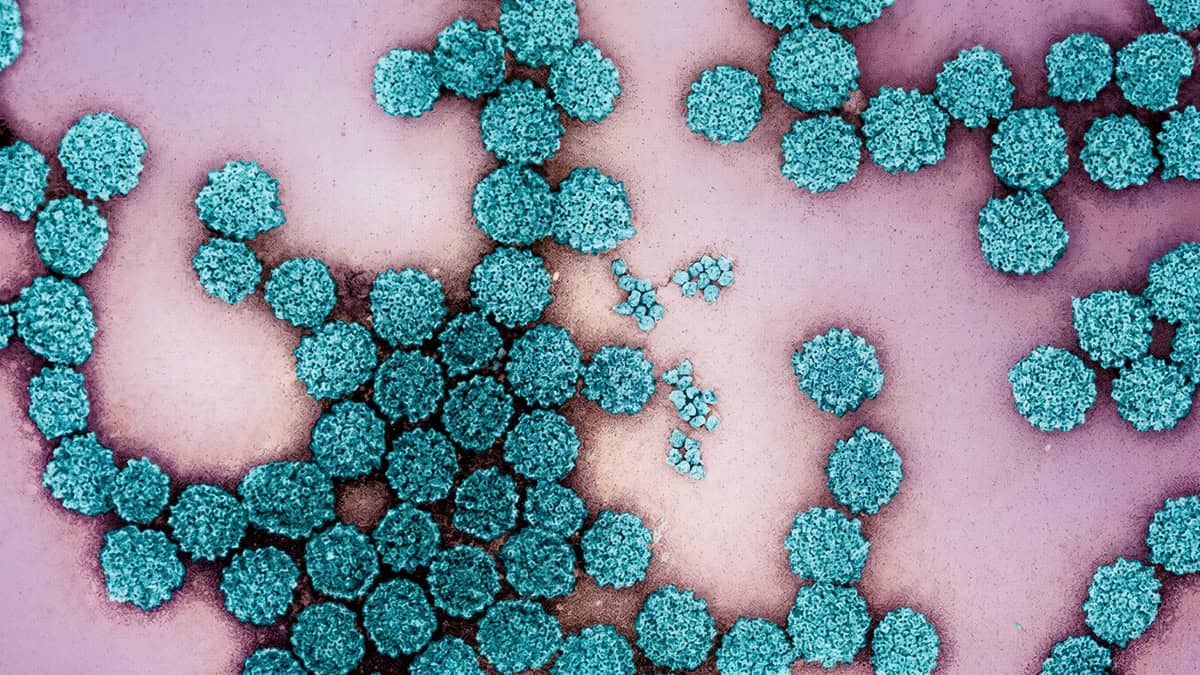
The HPV types that raise the most concern are those spread through sexual contact, as they can lead to sexually transmitted infections (STIs) with serious health consequences. About 30 strains of HPV are linked to these infections, making HPV the most common viral STI in the US.
Sexually transmitted HPV types are classified into two groups:
- High-risk HPVs: These are the types that can cause cancers. There are 12 high-risk HPV types, of which HPV 16 and HPV 18 are responsible for most HPV-related cancers
- Low-risk HPVs: These are the types that rarely cause cancer but may cause warts around the genitals, anus, mouth, and throat
How Does Someone Get Infected With HPV?
The virus spreads through body-to-body contact or contact with contaminated objects, such as shared towels or surfaces in public locker rooms and pools. The sexually transmitted HPV types spread between people when they have intimate contact with each other’s skin or the lining of body cavities during vaginal, anal, or oral sex.
In addition, sexually transmitted HPV may also be passed from mother to child (“vertical transmission”) during childbirth, but this is much less common (about 5% of births). Vertical transmission of HPV is usually cleared by the infant’s immune system by age 3, and the development of any disease from vertical transmission is extremely low (2 to 4 cases per 100,000 infants).
What Cancers Does HPV Cause?
The virus can persist in the body for a long time, but in most cases, the body’s immune system is able to clear out the virus within 12 to 18 months with high-risk HPV infections or 4 to 9 months with low-risk HPV strains.
However, if a high-risk HPV infection isn’t cleared by the immune system and persists for years, it may cause cell changes in the skin or mucous membranes that lead to precancerous changes and then cancer if left undetected and untreated. The time delay between HPV infection and the development of cancer may be as long as two decades, giving ample time for early detection if a screening test exists (which is currently only for cervical cancer). Let’s look at the types of cancers caused by high-risk HPV infection.
Cervical Cancer
Nearly all (99.7%) of cases of cancer of the cervix are caused by HPV infection, mostly with HPV types 16 and 18, although other types may also be involved. There are 7.7 new cases of cervical cancer per 100,000 adult women per year in the US. Vaccination and constantly improving screening techniques for precancerous detection have made cervical cancer largely preventable.
Anal Cancer
More than 90% of anal cancers are caused by high-risk HPV infection. While anal cancer is relatively rare in the US (2.0 new cases per 100,000 adults per year), the incidence of new cases and deaths from this malignancy has been steadily on the rise over the past 25 years. This alarming trend is being countered by efforts to increase the number of people vaccinated, including men.
Throat (Oropharyngeal) Cancer
This type of cancer arises in the upper throat, behind the oral cavity. About 70% of these cancers are caused by HPV. In the US, these cancers occur in 11.6 per 100,000 adults per year.
Cancer of the Penis
About 63% of cases of this rare form of cancer are caused by HPV infection.
Vaginal Cancer
About 75% of cases of this uncommon cancer are due to HPV infection.
Vulvar Cancer
Most cases of this uncommon (2.6 new cases per 100,000 adult women per year in the US) are due to HPV infection.
What Other Diseases Does HPV Cause?
Infections with non-sexually transmitted HPV types may cause skin warts in children and adults. These are not the same strains that cause genital warts and cancer.
Low-risk sexually transmitted HPV types are seldom linked to cancer but may cause warts around the genitals, anus, mouth, or throat. When warts form in the respiratory tract, the condition is called “recurrent respiratory papillomatosis” (RRP), which may cause a hoarse voice or problems with breathing. Fortunately, RRP is relatively rare in the US, with about 1.8 cases per 100,000 adults and 4.3 cases per 100,000 children per year.
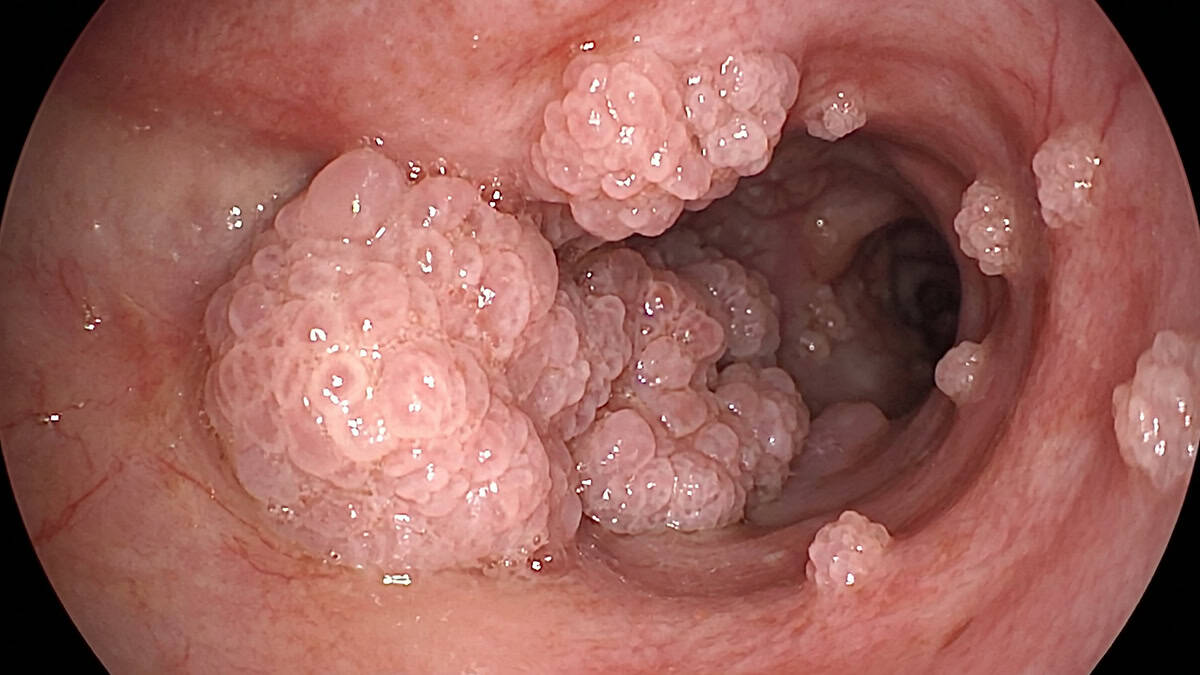
Vertical transmission of low-risk sexually transmitted HPV has been linked with juvenile-onset recurrent respiratory papillomatosis (JORRP) and non-cancerous warts or tumors in the larynx, vocal cords, or lungs.
How To Prevent HPV
The focus on reducing the incidence of HPV-related cancers and other diseases is in prevention. Let’s look at how that’s done.
HPV Vaccination
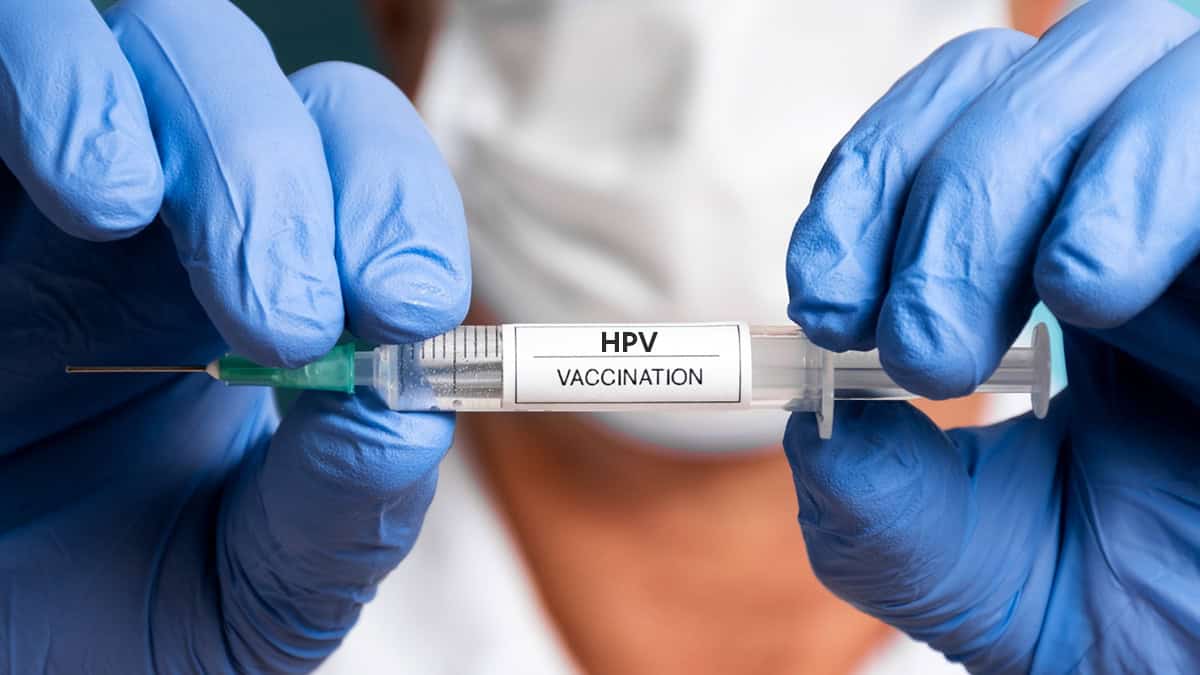
There are currently three HPV vaccines approved for use in the US, and all are effective against HPV types 16 and 18, which cause most HPV-related cancers. However, one vaccine, Gardasil-9, is preferred because it is also effective against other high-risk HPV types.
The Centers for Disease Control and Prevention (CDC) recommends HPV vaccination for all individuals (male and female) between ages 9 and 26, with earlier vaccination preferred to prevent initial HPV infection. Adults between the ages of 27 and 45 should discuss HPV vaccination with their physician.
HPV vaccines have been estimated to prevent up to 90% of warts and cancers caused by HPV infection. The vaccine is most effective if given before age 17 or before the individual becomes sexually active.
Reduce Risk Factors
Some (but not all) risk factors for HPV infection are within a person’s control, and making changes in these areas can help reduce the risk. The risk factors for HPV infection include:
- Increasing number of pregnancies (increases risk of chronic infection and progression to cancer)
- Female gender
- Increasing number of sexual partners
- Failure to use barrier protection
- Not being vaccinated for HPV
- Smoking (increases risk of progression to cancer)
- Diabetes
- Immunosuppression
Barrier Protection
Condoms are effective for reducing STIs, but they are not entirely effective against HPV because the virus can be transmitted via skin-to-skin contact and by contact between fingers and genitalia and other body parts. However, chlamydia infection increases the risk of HPV transmission and persistence, and condoms are effective at preventing that STI.
Screening for Early Detection
The only HPV-related disease that currently has FDA-approved screening tests is cervical cancer. Until we have effective and proven screening tests for other types of HPV-related health problems, the most effective way to detect them early is to report any suspicious symptoms to your physician.
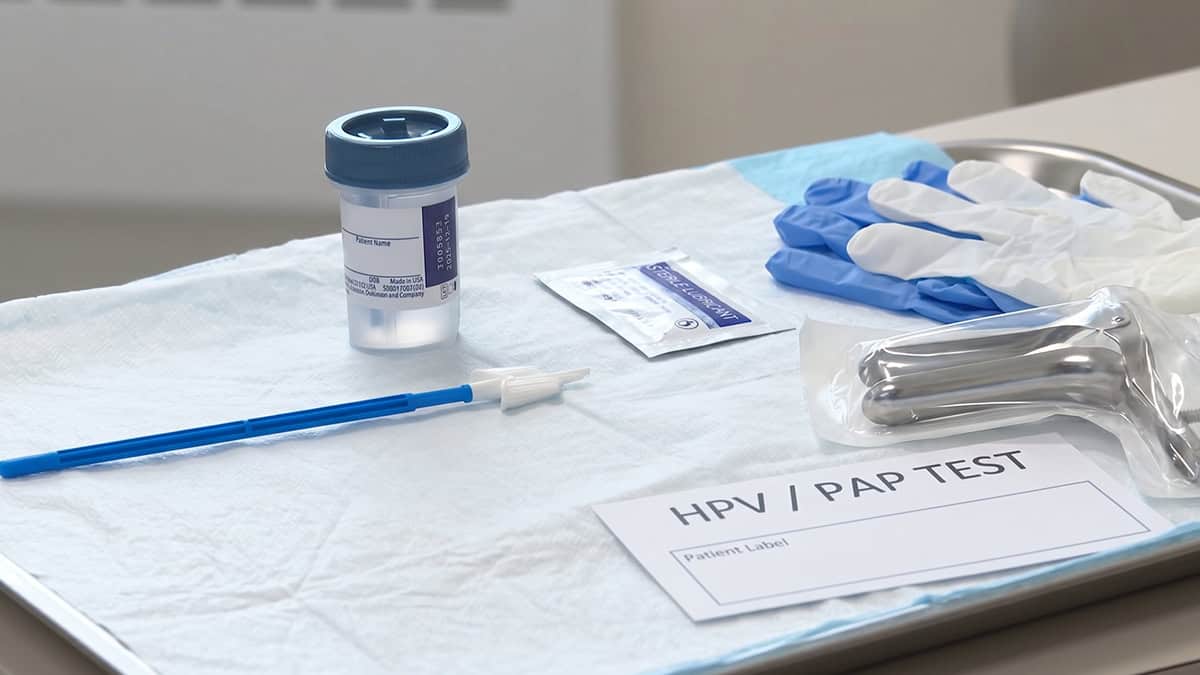
Screening for cervical cancer involves two tests: an HPV test, which checks for high-risk HPV on the cervix, and a Pap test, which looks for early (precancerous) changes in cervical cells. Both tests are done by a clinician using a small, soft brush to collect cells from the surface of the cervix. In some cases, at-home HPV testing is available, allowing individuals to collect their own sample with a special swab.
At this time, HPV testing is only approved for cervical cancer screening. There are no routine screening tests currently recommended for other cancers or conditions caused by high-risk HPV.
How To Treat HPV
There’s no treatment to eradicate the HPV virus itself from the body. Rather, the focus is on treating the HPV-related health problems.
Non-Sexually Transmitted HPV
This involves treating skin warts when they arise. Because they’re benign and often resolve on their own, treatment is generally reserved for those that are painful, spreading, or unsightly. There are a variety of treatments available for skin warts, including:
- Chemical treatments: Salicylic acid and other irritants that are applied to the wart and surrounding skin to erode the wart tissue. These are available over-the-counter (OTC) as gels, liquids, or pads. They work best if the wart is soaked and gently filed before applying the chemical. The blistering agent cantharidin is available for in-clinic treatments, or a physician may prescribe or inject stronger chemical agents.
- Duct tape: This may be applied to the wart alone or in combination with chemical treatments. The tape is applied for several days, then it’s peeled off, and the wart is filed down. The tape is reapplied as necessary.
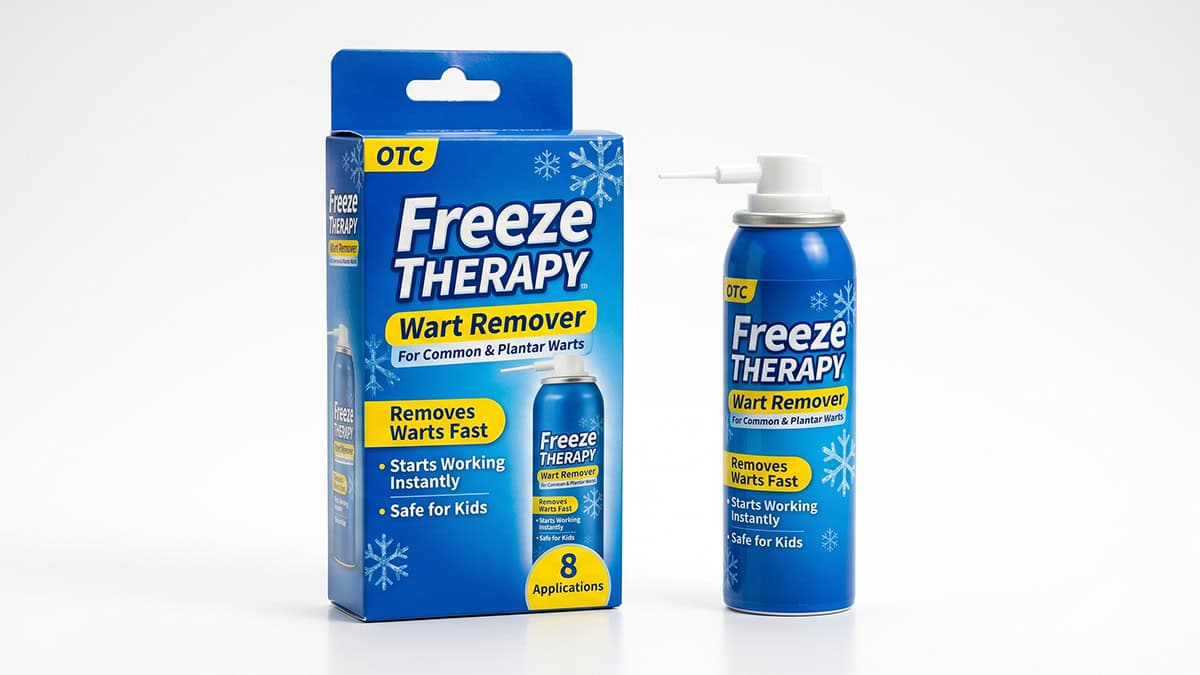
- Cryotherapy: This involves freezing the wart and surrounding skin to a very cold temperature so that the wart tissue dies and falls off. Repeat treatments may be required. A clinician may apply liquid nitrogen, or less powerful freezing kits are available OTC for home use.
- Minor surgery: Here, the wart is scraped off or cut out (“curetted”) by a clinician. The clinician may burn and dry out the wart first using an electric probe (electrodessication).
- Laser: Laser energy is used to burn the blood supply to the wart so that the wart dies and falls off.
- Immune therapy: This involves drugs that induce your own immune system to attack the wart. These agents may be injected or applied topically.
Sexually Transmitted Warts
The same treatments as with skin warts may be applied, although different chemical agents may be used. These may be more difficult to treat than skin warts, because they tend to occur in clusters over sensitive tissue, or may occur internally (e.g., in the vagina or mouth). For this reason, immune therapy may be preferred.
For some sexually transmitted warts, “photodynamic therapy” may be preferred. This involves applying a light-sensitizing chemical, then using light to activate the chemical to kill the wart tissue.
HPV-Related Cancers
The goal for treating cancers from high-risk HPV is to catch the problem in the precancerous stage and to remove the affected tissue. Then, close follow-up is arranged to ensure that removal was complete, and the pre-cancer doesn’t come back.
If cancer develops, treatment is tumor- and person-specific, and may involve some or all of the following:
- Surgery
- Radiation therapy
- Chemotherapy
- Targeted therapy
- Immunotherapy
Take-Home Message
HPV infection is extremely common—so common that most people will encounter it at some point in their lives, often without even knowing it. While many HPV infections go away on their own, some can lead to warts or even cancer, which is why awareness matters. The good news is that there are effective ways to protect yourself, including vaccination, safer sexual practices, and regular screening where appropriate. If HPV-related conditions do develop, a range of treatments is available to manage them. Understanding HPV empowers you to take simple, proactive steps to protect your health and the health of others.
References:
U.S. National Cancer Institute website
Review of Medical Virology medical journal
Cureus medical journal
Current Oncology medical journal
Clinical Infectious Diseases medical journal
PLOS One medical journal
International Journal of Infectious Diseases medical journal
Centers for Disease Control and Prevention (CDC) website
Vaccines medical journal
US National Library of Medicine website


