
Choosing the Best Insulin Pumps for Type 1 Diabetes
general health
Think about your full-time job, or another all-encompassing part of your identity – being a parent, being a caregiver, supporting a dear friend, or pouring time into your passion projects.
Think about how much time that takes and how much headspace you need to dedicate to those critical parts of your life.
For people living with Type 1 diabetes, the (seemingly!) simple act of managing their blood sugar is an all day, every day balancing act they need to tackle, in addition to everything else they have going on, as if their lives depend on it.
Because their lives do depend on it.
Which can sound high-stakes, and it is – but the day-in, day-out tasks that go into managing blood sugar don’t always feel dramatic. Diabetes patients are counting carbohydrates, calculating insulin doses, and checking their blood glucose often.
Quickly, this daily routine can feel like a second full-time job.
That’s why insulin pumps have become such a common (and life-changing!) tool in diabetes management.
Unlike traditional injections, which require multiple shots a day, insulin pumps deliver a steady flow of insulin throughout the day and can even adjust doses with precision at mealtimes.
Their goal is simple, if ambitious: These insulin pumps are made to mimic how a healthy pancreas would naturally regulate blood sugar, which requires much less mental math on the part of the patient.
There are several different types of insulin pumps to choose from. If you start to peruse your options, you’ll see anything from classic tubed pumps with advanced programming features, to tubeless patch pumps that stick directly to the skin, to automated insulin delivery (AID) systems that use continuous glucose monitor (CGM) data to make real-time adjustments.
Which is best for you?
Here’s the information you need to make the best possible decision for your diabetes care and treatment.
What Is an Insulin Pump, and How Does It Work?
An insulin pump is a small, computerized device that attaches to your skin.
Once it’s set up properly, the device delivers something called “continuous subcutaneous insulin infusion,” or, as you’ll often see it, CSII. That just means the pump gets patients a steady trickle of insulin through a thin tube or small patch under the skin.
If it works well for a patient, an insulin pump can replace both basal insulin, which keeps your blood sugar steady between meals, and bolus insulin, or the extra insulin needed to cover meals or correct high blood sugar.
Many insulin pumps can also be used both programmatically and manually.
That means you can set the pump up to release predetermined and precise doses of insulin, so you don’t have to think about it. You can also manually give yourself insulin if you need some around a meal, or when your glucose monitor is suggesting that you’re undergoing a spike.
That brings us to another key point:
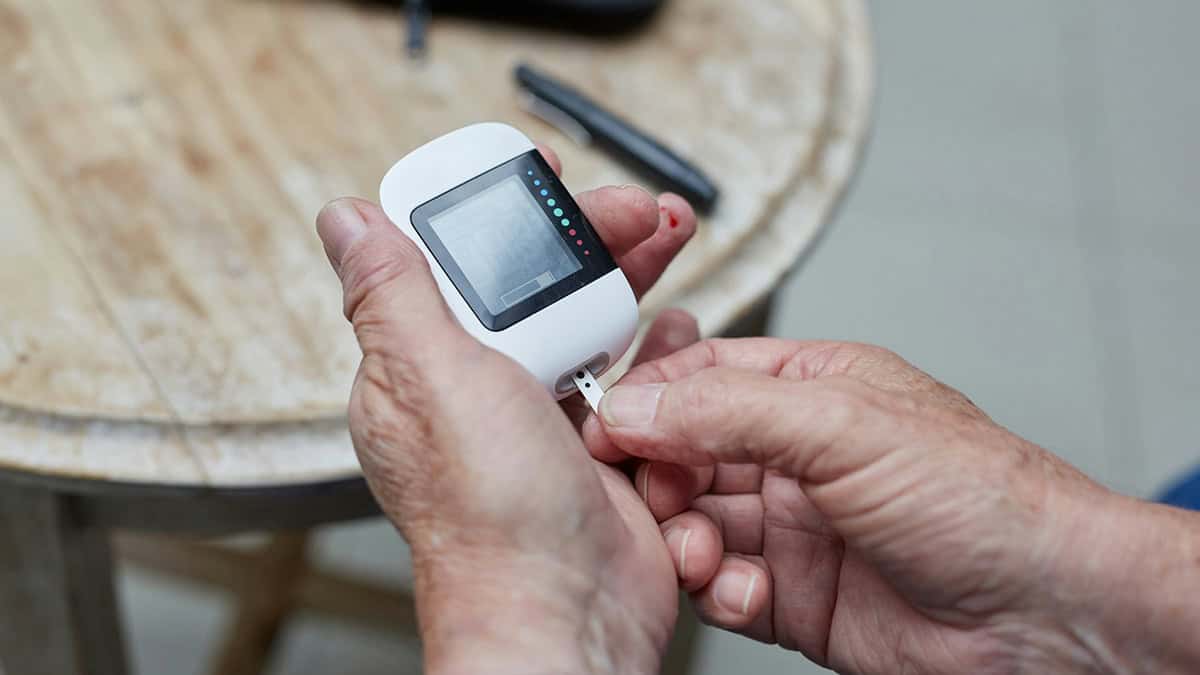
Most modern pumps sync with continuous glucose monitors (CGMs), like Dexcom sensors. Continuous glucose monitors are, similarly, small computerized devices that attach directly to your skin and keep you updated about how much glucose is in your blood.
Connecting your insulin pump to a CGM allows for automated insulin delivery, where the pump makes small, real-time dose adjustments based on your glucose readings.
When you compare that to previous blood sugar monitoring experiences involving extremely manual tracking and lots of on-the-spot, highly tense calculations, it’s clear that these programmable insulin pumps are an upgrade that has made life far easier for people with Type 1 diabetes.
Quick Roundup! The Key Benefits of Insulin Pumps
When used properly, under the oversight of a licensed healthcare professional, insulin pumps can help type 1 diabetics achieve:
- More stable glucose levels and fewer highs and lows.
- Reduced need for multiple daily injections.
- Better flexibility around meals, sleep, and exercise.
- And, in general, increased quality of life and convenience.
That’s a lot of benefits to consider.
Of course, like all relatively new innovations, insulin pumps aren’t perfect – or, at least, they’re not for everyone.
The Possible Drawbacks of Insulin Pumps
In some cases, insulin pumps can…
…Be expensive, whether you think of the initial cost of the pump itself or the ongoing supplies you’ll need on hand.
Sometimes, insurance helps with these costs.
Sometimes, insurance doesn’t.
…Require a steep learning curve, as it can take time to understand the technology and dosing steps.
…Mean some strategic pump site management, as you’ll need to move your insulin pump around on a regular basis to make sure your skin doesn’t get irritated or infected.
Most type 1 diabetes patients seem to think the improved control and freedom outweigh potential challenges, but that may not be true for everyone (or for you!).
It’s a good idea to take some time to learn more about the use of insulin pumps before you commit.
What Kinds of Insulin Pumps Are There? Tubed Insulin Pumps and More

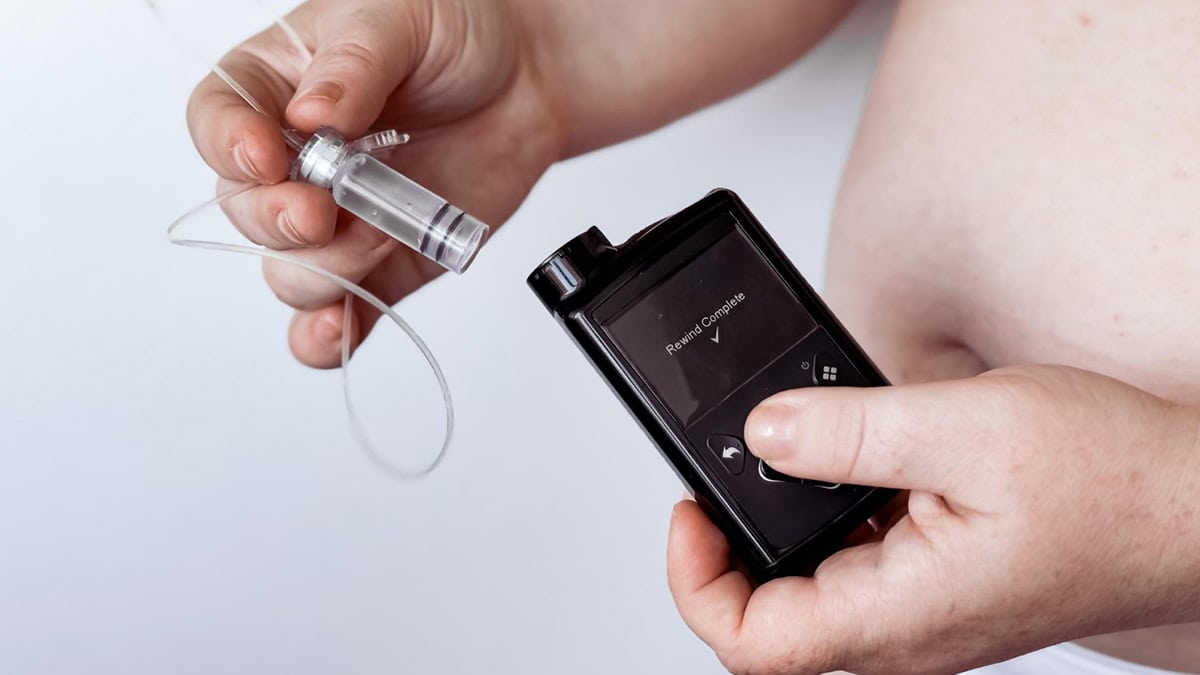
When people think of insulin pumps, they’re usually picturing the traditional “tubed” models … e.g., devices connected to the body via a thin, flexible infusion set.
There’s a good reason for that.
Tubed insulin pumps have been around longer than any other model.
They’re a popular choice because of that longevity, in addition to their other benefits, like precision dosing, programmability, and robust data tracking.
Tubed pumps tend to offer maximum control over insulin delivery and the most seamless integration with continuous glucose monitors.
The Medtronic MiniMed Is A Trusted Leader in Insulin Pump Technology
Medtronic’s series of MiniMed insulin pumps is considered a gold standard in this area.
This series and this brand offer a fully integrated insulin pump and CGM ecosystem, which means users can manage all their diabetes data in one place.
Depending on the model you go with from this series, you may also be able to benefit from:
- Automatic insulin adjustments. Some MiniMed models feature SmartGuard™ technology that automatically delivers microdoses of insulin every few minutes, adjusting based on glucose levels.
- Predictive algorithms. The system can predict highs and lows and take corrective action before they happen … which can, when wielded well, reduce the amount of time spent in hypoglycemia.
- Comprehensive reports. The CareLink™ platform gives patients and providers detailed glucose data for better clinical decision-making.
This series of products comes with a lot of pros. Medtronic MiniMed insulin pumps feature durable, reliable hardware trusted by a large base of long-term users, for example.
On the other hand, though, some users do find tubing cumbersome during sleep or exercise, and the interface’s buttons and screens may be less modern-feeling than newer touchscreen insulin pump models.
Tubeless Insulin Pumps Offer Freedom and Simplicity
If dealing with tubing sounds like a hassle to you, you may be onto something.
And you’re not alone.
Many, many people with Type 1 diabetes prefer tubeless insulin pumps, which deliver insulin through a small, self-contained patch device that sticks directly to the skin.
These pumps, often called patch pumps, are discreet, lightweight, and ideal for people who live active lifestyles or just want to ditch the tubing entirely.
The leading brand in this category is Insulet’s Omnipod line, which includes the Omnipod 5 and Omnipod DASH. (You may also read about the Omnipod GO, which was a previous offering of the brand.)
Each of these products is designed for a different level of automation and user experience.
Omnipod 5 Is The First Tubeless Automated Insulin Delivery System
The Omnipod 5 combines the convenience of a patch pump with smart automation.
It connects wirelessly to a Dexcom CGM, which allows the insulin pump to automatically adjust basal insulin every five minutes (very similar to how a real pancreas might respond naturally!).
The Omnipod 5 is also:
- Completely tubeless, with no lines, clips, or tubing to manage.
- Able to keep up with automatic insulin adjustments, as it uses CGM data to help keep glucose levels within the target range.
- Simple to manage with an app or controller. Depending on your preferences, you can dose and monitor your levels right from a handheld device or smartphone app.
With the Omnipod 5, you can swim, shower, or work out without worrying about disconnection (as long as your pod remains attached).
Omnipod DASH is Sleek, Smart, and Manual
Before the Omnipod 5, the Omnipod DASH offered the same tubeless design, just with manual control. If you’re looking for hands-on management but with a streamlined silhouette, this could be an option to consider.
The DASH uses a Bluetooth-enabled Personal Diabetes Manager (PDM) to deliver boluses and set basal rates, all without tubing.
It doesn’t automate insulin delivery, but its streamlined design still makes it one of the most user-friendly pumps on the market.
The Next Generation of Insulin Pumps: Automated Insulin Delivery (AID) and the “Bionic Pancreas”
The very latest technology in insulin pump innovation is AID, or automated insulin delivery.
These are systems that combine insulin pumps, continuous glucose monitors, and increasingly smart algorithms to adjust insulin automatically.
These tools aim to take even more of the manual work out of diabetes management.
A few that you might hear about include the following:
Beta Bionics iLet, or The “Bionic Pancreas”
The iLet from Beta Bionics is often referred to as a “bionic pancreas,” which sounds very futuristic and sci-fi – but the idea is simple: It uses AI-driven automation to make insulin dosing as hands-off and effortless for the patient as possible.
Today’s models already do that, but Beta Bionics may be working on models that can deliver both insulin and glucagon (e.g., another blood-sugar-balancing hormone) to simulate a real pancreas even more closely.
One additional perk of Beta Bionics is one you’d experience right up front: Its onboarding process is extremely simple, which can make insulin pump therapy even more accessible for people who may have avoided it in the past.
Here’s How to Choose the Right Insulin Pump for You
With so many options available, how do you decide which insulin pump fits best?
Great question. That decision will likely come down to three things:
Your lifestyle, your comfort with technology, and your support system.
As you vet insulin pumps, consider asking yourself:
- Do I want a fully automated system or manual control?
- How important is tubeless convenience versus advanced features?
- Is my insurance likely to cover the device I prefer?
- Which CGM am I already using, if I’m using one (Dexcom, Medtronic, Libre, etc.)?
- How active am I? Do I need something waterproof, discreet, or durable?
Work with your endocrinologist or diabetes educator to weigh the pros and cons of each model. They can help tailor recommendations based on your medical history, current insulin needs, and any past device experiences.
It’s also worth exploring affordability.
Insulin pump systems can cost thousands of dollars, and ongoing supplies add up quickly.
Many patients, particularly patients in America who may or may not have reliable or consistent insurance coverage, find they can save substantially by ordering through online and international and even CIPA-approved Canadian pharmacy websites, which can offer lower pricing on diabetes management supplies.
(If you’re interested, check out what NorthWestPharmacy.com has to offer right here!)
Modern insulin pumps have revolutionized life with Type 1 diabetes. Whether you prefer the structure of a tubed pump, the freedom of a tubeless pod, or the automation of a bionic pancreas, there’s a system designed for you.
When you’re ready to start looking for your system, or if you have any questions at all about your diabetes care, the team here at NorthWestPharmacy.com is ready to support you and your healthcare journey.


