
Dexcom G7 vs Libre 3 vs Stelo: Which is Right for You?
general health
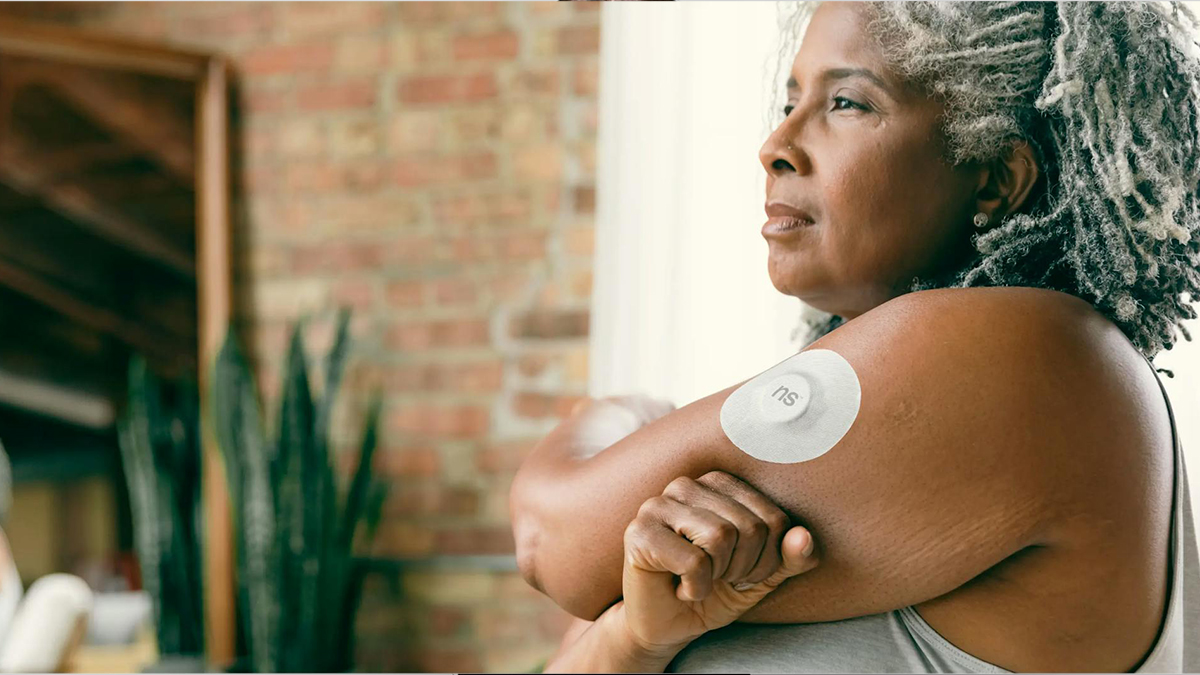
Continuous glucose monitors, or CGMs, have completely transformed how people manage diabetes.
For the better. It’s much easier, now, for diabetes patients to have real, workable information about their daily health. It’s even changed how some people without diabetes understand their metabolic health.
This can sound immensely appealing.
It is! Having that level of data can help you feel better now and in the future.
But figuring out how to get that data involves a few decisions that can feel very intimidating.
For example, choosing the right CGM can feel overwhelming.
Three of the most talked-about devices right now are the Dexcom G7, FreeStyle Libre 3, and Stelo. Each offers real-time or near–real-time glucose data, but they differ in accuracy, features, wear time, app experience, and who they’re designed for.
Which begs the question:
Which is best for you and your unique needs?
Here, we’ll break down the practical differences between Dexcom G7 vs Libre 3 vs Stelo in plain language, so you can understand what actually matters for daily use and decide which device best fits your health goals, lifestyle, and budget.
Here’s Exactly Why Comparing CGMs Matters
Not all CGMs are built for the same type of user.
Some are designed specifically for people with Type 1 diabetes.
Others are built for Type 2 diabetes, and some newer systems target people interested in general glucose awareness … rather than more reactive insulin management.
When comparing CGMs, regardless of their specific goals, most people care about:
- Accuracy and reliability
- How often the sensor needs to be replaced
- Whether a fingerstick is ever required
- App usability and alerts
- Placement options and comfort
- Cost, with and without insurance
Dexcom G7, Libre 3, and Stelo all approach these priorities a little bit differently.
Quick Overview: Dexcom G7 vs Libre 3 vs Stelo
Before we get into deeper product comparisons, here’s a high-level snapshot of what each offers:
Dexcom G7 is the latest-generation CGM from Dexcom, designed for people with diabetes who want real-time alerts, tight integration with insulin therapy, and strong accuracy.
FreeStyle Libre 3 is Abbott’s smallest and most discreet CGM to date.
It offers continuous readings without routine fingersticks and a generally lower price point.
Stelo is a newer entrant designed for people without insulin-dependent diabetes.
It’s focused more on overarching glucose trends than real-time medical alerts.
That last point is key.
Dexcom G7 and Libre 3 are FDA-cleared medical CGMs.
Stelo is positioned a bit differently, which has implications for who it’s best suited for … but more on that in a moment.
Dexcom G7: Real-Time Monitoring With Advanced Alerts
The Dexcom G7 builds on the success of the Dexcom G6.
It brings many of the pros of its popular predecessor to the table, along with a smaller sensor, faster warm-up time, and improved accuracy.
Just a few things to know about the Dexcom G7 include these features and performance perks. The Dexcom G7 offers:
- Continuous real-time glucose readings every 5 minutes
- Customizable high and low glucose alerts
- A 10-day wear period (plus a grace period)
- No separate transmitter (the sensor and transmitter are integrated!)
The Dexcom G7 is commonly used by people with Type 1 diabetes, insulin-dependent Type 2 diabetes, and those who rely on alerts to prevent hypoglycemia or hyperglycemia.
You can buy a brand Dexcom G7 sensor through NorthWestPharmacy.com for about $120.00.
FreeStyle Libre 3: Discreet Continuous Glucose Monitoring Without Alerts Overload
The FreeStyle Libre 3 is a very compact continuous glucose monitoring system designed to provide ongoing glucose data with extremely minimal hardware and setup.
It features one of the smallest CGM sensors currently available and transmits glucose readings automatically to a compatible smartphone, all without requiring manual scans.
You can buy the brand Libre 3 through NorthWestPharmacy.com for about $95.00.
Stelo: Simplified Glucose Tracking for Non–Insulin-Dependent Users
Stelo is a newer CGM designed specifically for adults who do not use insulin and are interested in tracking glucose trends for metabolic health.
Unlike traditional CGMs, Stelo does not require a prescription and focuses on lifestyle insights rather than real-time medical alerts. It’s currently only available in the United States.
Dexcom G7 vs Libre 3: Accuracy, Alerts, and Daily Experience

When comparing Dexcom G7 vs Libre 3, most patients are really asking one question:
How much information do I want … and how often do I want to see it?
Both the Dexcom G7 and the Libre 3 offer real-time continuous glucose monitoring, but they differ (meaningfully) in two ways: How data is delivered, and how proactive the experience feels.
Accuracy and Data Updates
The Dexcom G7 and FreeStyle Libre 3 are both considered highly accurate CGMs.
They each offer excellent performance for trend tracking and day-to-day glucose management.
But they differ in how you, the user, can track your trends.
The Dexcom G7 provides automatic readings every 5 minutes and pushes alerts in real time.
The Libre 3 also provides continuous readings but can lean more toward a slightly passive experience (depending on your alert configuration).
Both are reliable for insulin dosing decisions when used as directed, but the Dexcom tends to be favored by users who want frequent, automatic feedback without needing to interact with the app as often.
Alerts and Customization
Alerts are one of the biggest decision points between the Dexcom G7 and Libre 3.
The Dexcom G7 allows for:
- Highly customizable high and low glucose alerts
- Predictive alerts that warn you before glucose goes out of range
- Loud, persistent alerts designed for safety (especially overnight)
Libre 3 offers alerts, too, but users tend to describe them as:
- Slightly less customizable
- Less aggressive by default
- Better suited for users who prefer fewer interruptions
Neither of these sets of alert characteristics are inherently good or bad, it just depends on what you’re looking for.
For people with hypoglycemia unawareness, frequent nighttime lows, or tightly managed insulin regimens, Dexcom G7’s alert system may be a better fit.
If that doesn’t describe you or your needs, consider the Libre 3.
Wear Time and Comfort
Both models, the Dexcom G7 and the Libre 3 are designed to be worn for up to 14 days. Both are very compact compared to earlier CGM generations, too.
The Dexcom G7 is smaller than the Dexcom G6, fully integrated (no separate transmitter), and designed to feel flatter against the skin.
The Libre 3 is extremely thin and lightweight, and often described as “barely noticeable” once applied.
Stelo vs Dexcom G7: A Different Kind of CGM
Stelo enters this conversation from a completely different angle.
Unlike the Dexcom G7 and Libre 3, Stelo is designed for people without diagnosed diabetes, including:
- Individuals with insulin resistance or prediabetes
- People interested in metabolic health
- Athletes and biohackers tracking glucose responses
This makes the entire way the Stelo is set up and used a little different than the ones we’ve already discussed.
The Key Differences Between Stelo and Dexcom G7
There are a lot of things these two CGMs have in common.
More interestingly, for your decision-making purposes, there are also key differences between the two.
For example, Stelo is:
- Over-the-counter (no prescription required)
- Limited in alerts and medical decision features
- Intended for insight and pattern recognition, not insulin dosing
While, on the other hand, the Dexcom G7 is:
- Prescription-based
- FDA-cleared for diabetes management
- Designed to support medication adjustments and safety alerts
If you rely on CGM data to make treatment decisions, or need alerts for dangerous highs or lows, Dexcom G7 is likely your appropriate choice.
If you’re looking for an educational or wellness tool rather than a medical device replacement, it might be worth looking at Stelo.
How Lifestyle and Daily Use Can Influence Your Choice
Once accuracy, wear time, and core features between the CGMs on your decision list are basically comparable, as they are with the Dexcom G7, Libre 3, and Stelo, the deciding factor often becomes just how seamlessly each system fits into your daily life.
After all, the best CGM for you is the one you’ll wear consistently, right?
So deciding on the best CGM may depend less on stats and more on the following:
1. The Ease of Use and Learning Curve
For people new to continuous glucose monitoring, setup and onboarding matter a lot.
To that end, the Dexcom G7 is often considered the most beginner friendly.
Why?
Its sensor and transmitter are combined into one unit, insertion is quick, and the system provides guided prompts through the app or receiver. Alerts and alarms are customizable, which can be reassuring for people who want proactive glucose management.
The Libre 3 is simple, too, but in a different way.
It runs quietly in the background with fewer alerts by default. This appeals to users who prefer a “set it and forget it” experience and don’t want frequent notifications unless glucose goes very high or low.
Stelo is designed specifically for people without insulin-dependent diabetes, so its interface and insights are intentionally streamlined. It focuses more on trends, patterns, and metabolic awareness rather than intensive glucose intervention.
2. Discretion and Comfort
All three sensors are relatively small.
However, depending on your preferred clothing styles, activity levels, and body type, the shape and feel of each sensor will be different for you.
- Libre 3 is currently the smallest and lightest of the three, which makes it easier to wear discreetly under tight clothing.
- Dexcom G7 is slightly larger but still low-profile – and it does facilitate an optional overpatch system for extra security during exercise or sweating (very helpful for sports, gym workouts, or physically demanding jobs!).
- Stelo is sleek and discreet, too, but since it’s newer, long-term consensus on its comfort is still forthcoming.
3. Alerts, Alarms, and Mental Load
One of the biggest differences between CGMs is how loud they are – or how big their associated mental burdens and presence in your life are.
While, if you’re investing in a CGM, you obviously want it to do its job, you also don’t want constant interruptions and intrusions into your daily life.
Here’s how each of these CGMs stack up in that regard.
Dexcom G7 is ideal if you want real-time alerts for highs, lows, and rapid changes.
This is especially important for people using insulin, those with hypoglycemia unawareness, or caregivers monitoring children or older adults.
Libre 3 offers fewer interruptions, if constant alerts aren’t precisely what you’re looking for. While alerts are available, they’re an option – which users who don’t love constant alerts during sleep or work may find preferable.
Stelo allows even further alert minimization, as, instead of being a bonafide medical alert system, it’s a wellness-focused CGM.
4. Insurance, Availability, and Cost Considerations
For most people, this is the deciding factor.
(We said above that the best CGM for you is the CGM you’ll actually wear – and, clearly, a big part of that is being able to bring it home in the first place.)
Here’s how these three CGMs rank in terms of affordability and access:
- Dexcom G7 and Libre 3 are both widely covered by insurance for people with diabetes who meet eligibility criteria, though coverage varies by plan.
- Stelo, currently available only in the U.S., is aimed at cash-pay or employer wellness markets rather than traditional insurance coverage.
Of course, if you’re looking for reliably low prices for either the Dexcom G7 or the Libre 3, it’s worth your time to see if you can find them through a Canadian online pharmacy or international drugstore.
Quite often, you’ll find brand-name sensors for far, far less than the American sticker price.
How to Choose Which CGM is Best For You?

Some users choose their CGM based on what their insurance covers.
Others prioritize out-of-pocket affordability and consistency of supply.
Here’s our take: If the best CGM is the one you’ll routinely use, understanding how and where you’ll obtain your sensors, especially over the long term, is just as important as choosing the device itself.
So while the following pairings may make the most sense on a sensor level:
- Dexcom G7: Best for advanced diabetes management, alerts, and data sharing
- FreeStyle Libre 3: Best for simplicity, discretion, and affordability
- Stelo: Best for non-diabetic users focused on metabolic health
… Always remember that you’re going to have to establish a reliable way to get your CGM and any associated diabetes management or health-supporting materials, too.
That’s where NorthWestPharmacy.com comes in. When you’re ready to order your Dexcom G7 or Libre 3, save time and money by purchasing through our online Canada drugs site and international pharmacy.
The entire team here at NorthWestPharmacy.com is ready to support you and your health.


