
Chemo for Dogs: Your Guide to Treatment for Your Beloved Friend
speciality medications
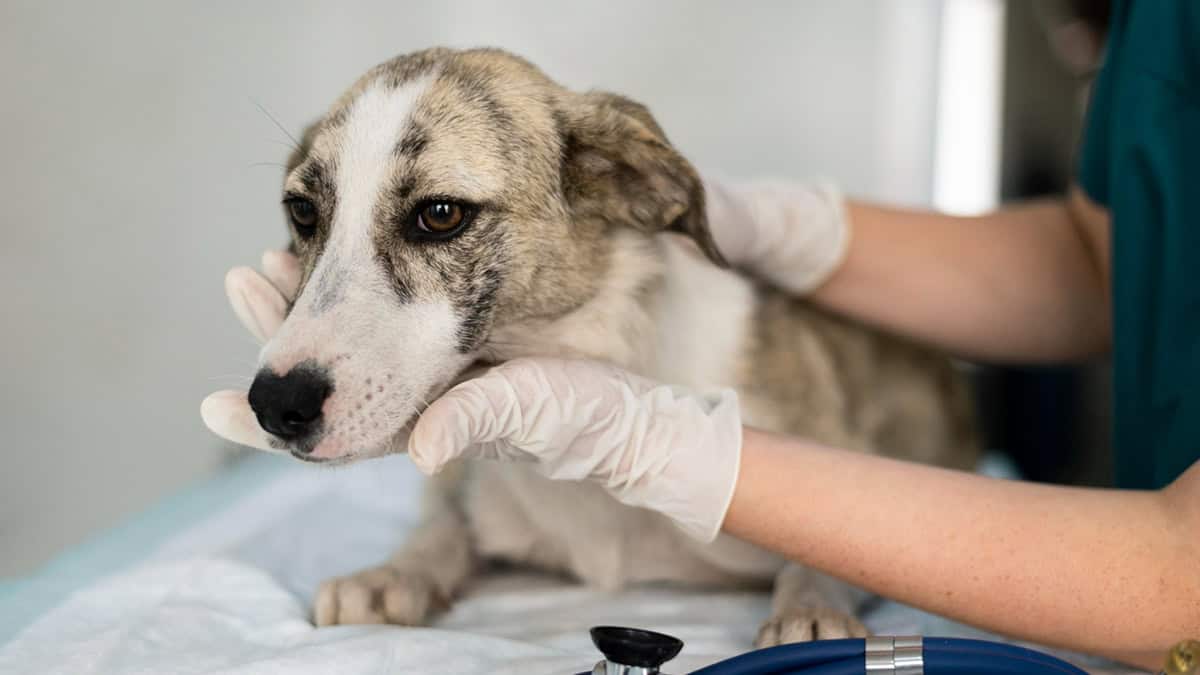
A cancer diagnosis for your dog can feel devastating.
And we want to validate that.It is hard to know that your dog has to go through suffering…or, even, that your dog has limited time left with you.
If it’s any help, though, it may be important to know that chemotherapy for dogs isn’t like the harsh treatments often associated with humans.
In veterinary medicine, chemo is designed primarily to extend comfort and quality of life, not to cause suffering.
For many dogs, chemotherapy can mean extra months or even years of feeling good, spending time with family, and enjoying the simple joys of being a dog.
Chemo for dogs can be tailored to your pet’s specific type of cancer, overall health, and temperament. It’s available as injections, oral pills, or even patch treatments, depending on what’s easiest for your pet to tolerate.
While it can’t cure every cancer, chemotherapy often slows tumor growth, reduces symptoms, and restores energy levels, giving pets happier, pain-free days.
What Is Chemotherapy for Dogs? A Simple Overview
Yes, dogs can get chemotherapy. And it works on the same basic principle as it does in people.
Chemotherapy drugs target rapidly dividing cells (like those in tumors) and stop them from growing or spreading.
To treat canine cancers, veterinarians use chemo in two main ways:
To provide curative treatment. Your dog’s healthcare team will opt for this when the goal is to completely eliminate the cancer.
This may be possible in some early-stage or localized cases.
To provide palliative treatment. This is the route you may take when the goal is to slow down cancer progression and/or reduce pain or symptoms so your dog can live comfortably for longer.
Unlike human oncology, where higher doses of harsh chemo medications are used to chase cancer remission quite aggressively, generally speaking, veterinary oncologists tend to take a gentler approach.
In canine medicine, the rule of thumb is this:
The goal is always quality of life first.
Because of this, most dogs tolerate chemo very well. Only about 20–30% experience noticeable side effects.
Some of the most common cancers treated with chemo in dogs include:
- Lymphoma, which is one of the most responsive cancers to chemo treatment in dogs
- Mast cell tumors, which are often treated with oral or injectable chemo, depending on severity
- Osteosarcoma (bone cancer), which chemo can help manage in terms of pain and preventing spread
- Hemangiosarcoma, which is a fast-moving cancer often treated with combination therapy.
How Much Is Chemo for Dogs?
One of the biggest questions pet owners ask is an extremely fair one:
How much does chemo cost for dogs?
The answer depends on your dog’s size, the cancer type, and whether treatment is done through a specialist or a general vet.
Here’s a general breakdown:
One single chemotherapy session (for dogs) can range in cost from about $150–$600.
A full treatment course of chemotherapy for dogs for conditions like lymphoma can cost anywhere from $3,000–$10,000. The bill may be nearer the higher end of that range if your dog will require several months of therapy.
Oral chemo for dogs may be a little less expensive, as medications given at home can cost as little as $20–$200 per month.
Of course, this depends on the drug type and dosage your dog requires.
If those numbers are giving you goosebumps, know this:
There are demonstrable ways to dramatically reduce your out-of-pocket costs for canine chemotherapy.
Reputable (and even CIPA-approved) online and international Canada drugs and pharmacy websites, like NorthWestPharmacy.com, can give you access to affordable medications that meet strict safety standards.
These may include oral chemo drugs as well as supportive medications that can help your dog be more comfortable during this stressful time.
As a result, you may be able to get your dog the care they deserve without completely emptying your wallet.
What Are the Different Types of Chemotherapy for Dogs?
Chemotherapy in veterinary medicine can take several forms, depending on your dog’s condition, the type of cancer, and how aggressive the treatment plan needs to be.
Here’s one easy way to break down your options:
Most chemo for dogs is either injectable (given at the clinic) or oral (pills given at home).
Injectable Canine Chemotherapy Fast Facts
Injectable chemo for dogs is…
- Usually administered directly into one of your dog’s veins by a qualified veterinary oncologist or trained technician.
- Typically associated with very quick appointments. (Most dogs are in and out within an hour or two.)
Some injectable chemo for dogs treatments to be aware of as you peruse your options include:
- Doxorubicin, which is often used for lymphoma, osteosarcoma, or other advanced cancers
- Vincristine, which is commonly part of multi-drug protocols such as CHOP. (CHOP is a standard chemotherapy protocol used to treat lymphoma in dogs. It consists of four drugs: cyclophosphamide, hydroxydaunorubicin (doxorubicin), oncovin (vincristine), and prednisone.)
- Carboplatin, which is frequently used for bone or bladder cancers
- Cyclophosphamide, which can be given orally or via injection, depending on the treatment plan.
Injectable chemo is often used in cycles (e.g., once every 2–3 weeks), which helpfully allows time for your dog’s body to rest and recover between doses.
Oral Chemotherapy for Dogs Fast Facts
Oral medications are increasingly popular as a chemo for dogs option because they can be administered at home, and, for many dogs, oral medications are at least somewhat familiar.
This can result in a much less stressful treatment experience for pets and owners alike.
Oral chemotherapy may not be an option for every dog in every situation. Your dog’s vet will help you determine the best treatment route for your pet.
If oral chemotherapy is an option, very likely, you’ll find yourself learning more about the following common oral chemo drugs for dogs:
- Lomustine (CCNU), which is often used for lymphoma and mast cell tumors’
- Chlorambucil (Leukeran), which is used for chronic lymphocytic leukemia and certain GI cancers; and
- Cyclophosphamide (Cytoxan), which is sometimes part of alternating oral/injectable regimens.
Here’s a quick safety tip for you as you start administering your dog’s chemo:
Always (always, always) wear gloves when handling chemo pills.
Then, be sure to wash your hands after administering the med.
It’s a best practice in general to limit skin exposure to medications, but chemo pills are strong. Making sure that you don’t have residue on your skin is very important.
Further, avoid crushing or splitting tablets unless specifically instructed by your vet.
Managing the Emotional and Financial Side of Chemo for Dogs
When you first hear that your dog has cancer, there are likely one million thoughts cramming their way through your brain.
Very likely, you’ll be hit by a sudden landslide of emotions. Know that it’s okay to take time to lean on your loved ones, and further take time to process what’s happening to you and your four-legged best friend.
There is, of course, another very difficult fact to face in front of you, and that’s the financial side of things. Chemo for dogs can be very expensive. Discussing costs openly and your realistic goals transparently with your vet will be extremely important.
Remember that if full treatment doesn’t seem possible or feasible, palliative options (like steroids alone) may be a more cost-effective option to pursue, one that can still provide relief and extra time.
Side Effects of Chemo in Dogs: Here’s What to Expect
When pet parents think of chemotherapy, they often imagine the intense nausea and exhaustion seen in human patients.
The good news is that dogs generally handle chemo much better than their human friends.
The goal of veterinary oncology is comfort, not aggressive dosing. Most dogs are able to keep eating, playing, and enjoying life throughout their treatment.
However, all powerful medications do come with at least some risk of some side effects.
Common, mild side effects of chemo for dogs include:
- A day or two of fatigue or mild lethargy
- Temporary loss of appetite
- Mild vomiting or diarrhea that passes within 48 hours
- Thinning fur or whisker loss (mainly in breeds like Poodles, Schnauzers, or Terriers)
If you notice that your dog is experiencing any of these side effects and you’d like to explore supportive medications or treatment plans to make your dog’s life easier, let your dog’s veterinarian know.
There is also a small chance that your dog could experience a more severe side effect of chemo for dogs. These are unlikely, but can include:
- Neutropenia (low white blood cell count), which can make dogs more prone to infection
- Liver or kidney stress, especially in older dogs or those on multiple medications
- Ulcers or mouth sores, which may affect eating
Your vet may run periodic bloodwork to catch potential issues early and adjust medication if needed.
If your dog seems excessively tired, stops eating, or develops persistent vomiting, call your vet right away!
Can Dogs on Chemo Still Cuddle, Play, and Lick You?
This is one of the most common questions dog owners ask:
Is it safe to be close to my dog after chemo?
The answer:
Yes, but with a few precautions.
Chemotherapy medications can linger in a dog’s body fluids (saliva, urine, stool) for about 48–72 hours after treatment.
During that window, it’s best to:
- Avoid letting your dog lick your face or hands.
- Wear gloves when cleaning up accidents or handling waste.
- Wash your hands thoroughly after contact.
- Keep young children and pregnant people from direct contact for a few days.
After three days, these precautions are no longer needed, and you can cuddle and play as usual.
Caring for Your Dog During and After Chemo
The period after treatment is just as important as the chemo itself.
Most dogs bounce back quickly, but they may need extra rest, hydration, and comfort in the days following each session. A soft blanket, a favorite toy, and lots of reassurance can go a long way toward keeping their spirits high.
Keep track of your dog’s appetite, energy, and bathroom habits during this time, too.
If you notice any changes, you may be able to work with your dog’s vet to adjust your treatment plan.
During cancer treatment, for example, some dogs benefit from:
- Nutritious, gentle diets, featuring easily digestible foods or prescription diets recommended for dogs undergoing treatment
- Hydration support. While your dog’s in chemo, always provide fresh water, or ask your vet about subcutaneous fluids if your dog struggles to stay hydrated.
- Supplements or appetite stimulants, which you should only use under veterinary guidance, as some products may interfere with chemotherapy.
When to Continue, Pause, or End Chemotherapy
One of the most difficult parts of this journey is deciding when to continue or stop treatment. There’s simply no one-size-fits-all answer, unfortunately. Your doctor can help you understand your options.
The route you take will largely depend on how your dog feels, how well the cancer responds, and what kind of days your pet is still having.
Taking Advantage of Affordable Options and Online Ordering

While your family is going through this difficult time, it’s important to take as much as you can off your plate.
You don’t need to be stressing about high medication costs, for example, or tricky medication ordering processes.
That’s where we can help.
Here, through NorthWestPharmacy.com, pet owners can access high-quality, veterinary-approved chemotherapy and supportive medications at prices significantly lower than local pharmacies.
We’ve made it very, very easy to get started.
When purchasing chemo or companion drugs online:
- Upload your prescription from your veterinarian.
- Confirm the drug name, strength, and dosage to ensure accuracy.
- To keep yourself and your dog safe, make sure to choose verified international suppliers that require prescriptions and follow strict quality standards.
As you and your four-legged best friend go through this difficult time, our team is here for you. If you have any questions at all about your prescription medications or any supportive meds you’d like your dog to take, feel free to reach out to our pharmacists for clear, empathetic answers.
The entire team here at NorthWestPharmacy.com looks forward to helping you and your dog move through their healthcare journey.


